Practical field notes
Designing Your Dream Native Plant Garden
Explore how to create a native plant garden that enhances your landscape, supports local wildlife, and promotes sustainability.
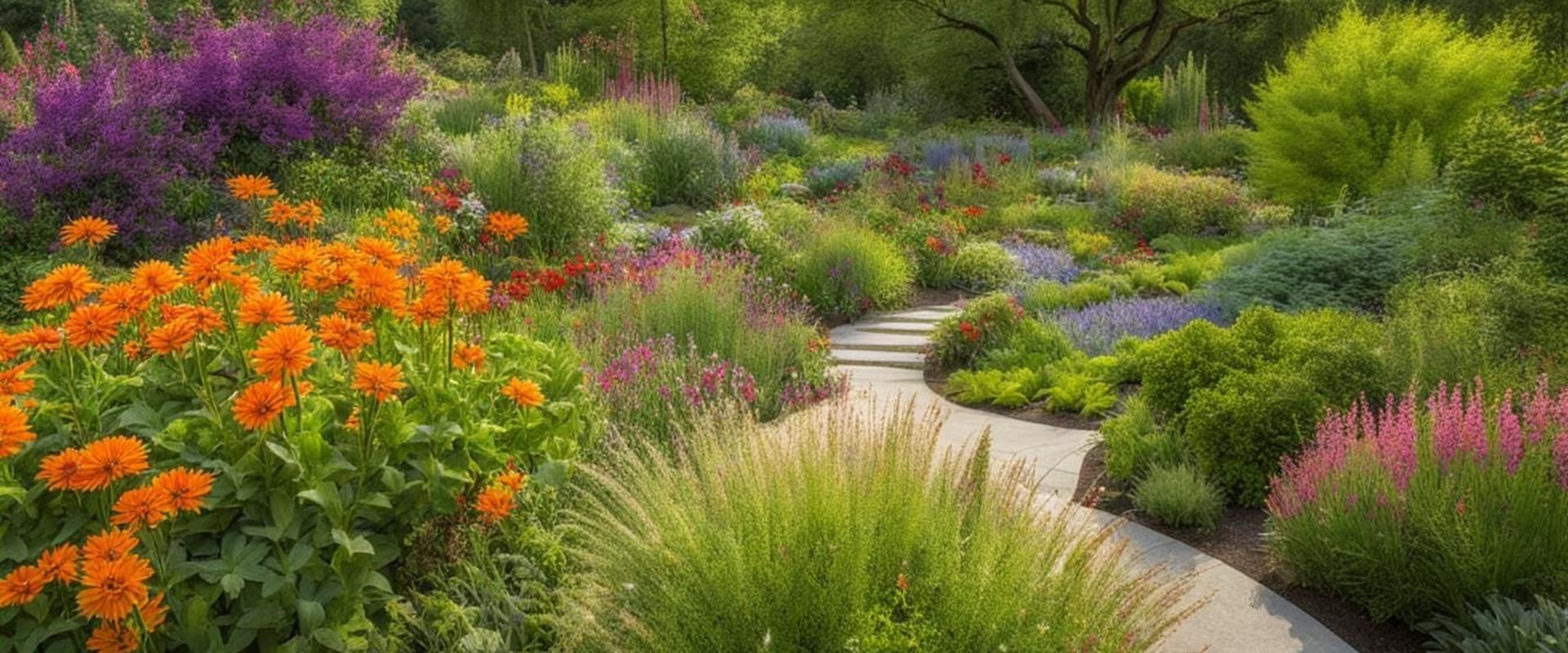
In a world increasingly aware of environmental issues, creating a native plant gardencreating a native plant garden stands out as a transformative endeavor. It’s not merely about aesthetics; it's about fostering biodiversity, supporting local wildlife, and promoting sustainability. Imagine stepping into your backyard and being enveloped by the vibrant colors and textures of plants that thrive naturally in your region. A native plant garden not only enhances the beauty of your landscape but also contributes to the ecological health of your area. As we delve into the art of designing your dream native plant garden, you will discover the myriad benefits that come with choosing plants indigenous to your locale.
These plants are well-adapted to local climates and soil conditions, requiring less water and maintenance than traditional ornamental gardens. Furthermore, they provide essential habitats for pollinators like bees and butterflies, creating a thriving ecosystem right outside your door. This article will guide you through the essential steps of designing a native plant garden that reflects your personal style while harmonizing with nature. From selecting the right plants to understanding their growth habits, we will equip you with the knowledge needed to embark on this rewarding journey. Join us as we explore how to cultivate beauty and sustainability in your outdoor space through the power of native plants. Creating a native plant garden is an exciting endeavor that not only enhances the beauty of your landscape but also supports the local ecosystem.
Understanding the local ecosystem is crucial when embarking on this journey. Different regions boast a variety of native plants that have adapted to local conditions, thriving in their unique climates and soil types. For instance, if you live in a dry region, consider incorporating drought-resistant native plants, while those in wetter areas can select species that thrive in moist conditions. Researching your local flora, perhaps through state extension services or native plant societies, can provide valuable insights into which plants will flourish in your garden. When selecting plants for your native garden, practical tips can make a significant difference.
Start by assessing your soil type; sandy soils drain quickly while clay soils retain moisture. Choose plants that are well-suited for these conditions. For example, wildflowers such as coneflowers and black-eyed Susans are excellent choices for sandy soils, whereas swamp milkweed thrives in wetter areas. Additionally, evaluate the sunlight exposure in your garden.
Some native plants prefer full sun, while others thrive in partial shade. Understanding the moisture levels of your garden will also help guide your choices; certain native plants like bluebells may require more moisture than drought-tolerant varieties. Design elements are essential when it comes to creating a visually appealing native plant garden. Layering plants can add depth and interest to your landscape. Consider planting taller species at the back of a border and gradually tapering down to shorter plants at the front.
This not only creates a lush appearance but also allows each plant to be showcased effectively. Incorporating hardscaping features such as paths and patios can enhance the functionality of your space while providing contrast against the vibrant foliage of native plants. For example, a rustic stone path can lead visitors through your garden, inviting them to explore the beauty of your carefully selected flora. Moreover, creating habitats for local wildlife is an integral part of designing a native plant garden. Native plants attract pollinators like bees and butterflies, and providing features such as birdhouses or small water features can encourage local fauna to visit. This not only creates a lush appearance but also allows each plant to be showcased effectively. Incorporating hardscaping features such as paths and patios can enhance the functionality of your space while providing contrast against the vibrant foliage of native plants. For example, a rustic stone path can lead visitors through your garden, inviting them to explore the beauty of your carefully selected flora. Moreover, creating habitats for local wildlife is an integral part of designing a native plant garden. Native plants attract pollinators like bees and butterflies, and providing features such as birdhouses or small water features can encourage local fauna to visit.
A garden filled with diverse plant life can become a sanctuary for various species, enriching both the ecological value and aesthetic appeal of your space. To illustrate successful designs, many DIY enthusiasts and professionals have shared their experiences creating native gardens. For instance, one case study highlights a suburban homeowner who transformed their lawn into a vibrant native garden filled with colorful perennials and shrubs that attracted birds and butterflies throughout the seasons. By focusing on local species and carefully planning the layout, they created an outdoor space that was not only beautiful but also beneficial to wildlife. Common concerns about starting a native plant garden often revolve around pest management and seasonal changes. Many people worry that native plants might attract unwanted pests or may struggle during seasonal shifts.
However, understanding the natural balance within your ecosystem can alleviate these fears. Native plants are typically more resilient against local pests because they have evolved alongside them. Instead of relying on chemical pesticides, consider using integrated pest management techniques that promote beneficial insects while keeping pests in check. Seasonal changes can also be managed through careful planning. Selecting a variety of native plants that bloom at different times throughout the year ensures that your garden remains vibrant and engaging all year round.
Additionally, understanding the growth cycles of your chosen species will help you prepare for any seasonal maintenance needed to keep your garden healthy. In conclusion, creating a native plant garden is not just about aesthetics; it’s an opportunity to contribute positively to the environment while enjoying a sustainable landscaping practice. By understanding your local ecosystem, selecting appropriate plants based on soil type, sunlight, and moisture levels, and incorporating design elements that support both beauty and biodiversity, you can cultivate a thriving native garden that benefits both you and the environment. Additionally, understanding the growth cycles of your chosen species will help you prepare for any seasonal maintenance needed to keep your garden healthy. In conclusion, creating a native plant garden is not just about aesthetics; it’s an opportunity to contribute positively to the environment while enjoying a sustainable landscaping practice. By understanding your local ecosystem, selecting appropriate plants based on soil type, sunlight, and moisture levels, and incorporating design elements that support both beauty and biodiversity, you can cultivate a thriving native garden that benefits both you and the environment.
Choosing the Right Native Plants
When embarking on the journey of creating a native plant garden, selecting the right plants is crucial for ensuring a thriving ecosystem. There are several factors to consider that can significantly impact the success of your garden. First and foremost, assess your local climate. Different regions experience varying temperatures, precipitation levels, and seasonal changes, which influence which native plants will flourish.Researching hardiness zones can provide valuable insights into what species are best suited for your area. Next, evaluate your soil conditions. Native plants often have specific soil requirements, including pH levels, drainage capabilities, and nutrient content. Conducting a soil test can help you understand what amendments may be necessary to create a healthy growing environment. Some native plants prefer sandy soils, while others thrive in clay or loamy soils. Additionally, consider the overall aesthetics you wish to achieve in your garden.
Do you prefer a vibrant display of colors throughout the growing season or a more subdued palette? Think about flower shapes, foliage textures, and growth habits when selecting plants. Mixing various heights and bloom times can create a visually appealing landscape that attracts pollinators. Lastly, familiarize yourself with any local invasive species that may compete with your chosen native plants. Avoiding these invasive varieties will help ensure that your native plant garden remains sustainable and beneficial to the local ecosystem. By considering these factors—local climate, soil conditions, and desired aesthetics—you can make informed decisions that lead to a successful and beautiful native plant garden.
Sustainable Practices for Maintenance
Maintaining a native plant garden is not only about keeping it visually appealing but also about ensuring it continues to thrive in an eco-friendly manner. Here are some eco-friendly maintenance tips to help sustain your garden while supporting local wildlife. Firstly, consider using organic mulches.Mulching not only suppresses weeds but also retains moisture and enriches the soil as it breaks down. Opt for locally sourced materials to minimize your carbon footprint and support local businesses. Watering practices play a crucial role in maintenance. Implement drip irrigation systems or soaker hoses to deliver water directly to the roots, reducing evaporation and runoff. Watering early in the morning or late in the evening can also help minimize water loss due to evaporation. Another important practice is natural pest control.
Encourage beneficial insects such as ladybugs and lacewings by planting a diverse range of native flowers. Additionally, consider using insecticidal soap or neem oil to manage any pests without harming beneficial species. Regularly monitor your garden for signs of disease or distress. Early detection allows for targeted interventions, reducing the need for more aggressive treatments that could harm local wildlife. Pruning dead or diseased plants promptly can prevent the spread of issues and keep your garden healthy. Lastly, practice composting to recycle garden waste back into your soil.
Compost not only improves soil structure and fertility but also reduces the need for chemical fertilizers, making your garden more sustainable in the long run. By incorporating these sustainable practices into your maintenance routine, you can create a thriving native plant garden that supports local wildlife and contributes positively to the environment.
Inspiration from Successful Projects
Creating a native plant garden is not just about planting; it’s about envisioning a space that thrives with local biodiversity. To inspire you, let’s explore some successful native plant garden projects that highlight their ecological benefits and aesthetic appeal.Example 1: The Chicago Botanic Garden
- This expansive garden features a stunning array of native plants that provide habitat for local wildlife. The use of native grasses, wildflowers, and shrubs creates a vibrant ecosystem that attracts pollinators and birds. Visitors are treated to seasonal blooms and the sight of butterflies fluttering amidst the flowers, demonstrating the beauty of a well-planned native landscape.Example 2: The Lady Bird Johnson Wildflower Center
in Austin, Texas, is another exemplary project.This center showcases the diversity of Texas’ native flora through beautifully designed gardens that are both functional and aesthetically pleasing. The gardens emphasize low water usage and natural pest control, making them an ideal model for sustainable landscaping. Photographs of their wildflower meadows in full bloom reveal a colorful tapestry that changes with the seasons.
Example 3: The Native Plant Garden at the Brooklyn Botanic Garden
features a unique blend of woodland and meadow habitats. This garden not only serves as an educational resource but also demonstrates how urban spaces can incorporate native flora to support biodiversity.The carefully curated plant selections create a serene environment that encourages visitors to appreciate the beauty and importance of native species. Each of these gardens provides a rich source of inspiration for anyone looking to create their own native plant garden. By studying their layouts, plant choices, and maintenance practices, you can gather valuable insights to help you design a thriving outdoor space that reflects your commitment to sustainability.
Designing Your Landscape
When it comes to creating a native plant garden, the layout is just as important as the plants themselves. A well-thought-out design not only enhances the beauty of your garden but also ensures that it functions effectively within the ecosystem. There are several layout options to consider that can incorporate both plants and hardscaping features, allowing you to create inviting and functional spaces. One popular approach is to use garden beds that are arranged in a way that complements the natural contours of your land.This method helps create a more organic look and allows for better water drainage and plant growth. Consider using curved lines instead of straight edges to soften the overall appearance and mimic natural landscapes. In addition to plant beds, incorporating hardscaping features like pathways, patios, and seating areas can significantly enhance your native plant garden. Use permeable materials for walkways to allow rainwater to soak into the ground, which is beneficial for your plants. Stone or gravel paths can also create a rustic charm while guiding visitors through your garden. Consider creating distinct zones within your garden for various activities, such as a quiet reading nook surrounded by fragrant native flowers or a vibrant area for entertaining guests.
These inviting spaces can be achieved by strategically placing benches, tables, or even fire pits among the plants, ensuring they blend seamlessly with the natural surroundings. To further enhance the ecological value of your native plant garden, think about layering plants of different heights and textures. This not only adds visual interest but also creates habitats for wildlife, such as birds and beneficial insects. Use taller species at the back of garden beds and shorter ones in front to create a sense of depth and fullness. Finally, don’t forget about seasonal changes. Choose a mix of native plants that bloom at different times throughout the year to maintain color and interest in your landscape across all seasons.
By thoughtfully designing your landscape, you can create a harmonious space that celebrates nature while providing enjoyment for you and your visitors.
Incorporating Hardscaping
When designing your native plant garden, it is essential to consider how hardscaping elements can enhance the overall aesthetic and functionality of the space.Hardscaping
refers to the non-plant elements of landscaping, including patios, walkways, retaining walls, and other structures. By integrating these features with your native plants, you can create a harmonious environment that not only looks appealing but also supports ecological health. To begin, think about the layout of your garden and how hardscaping can define different areas. For instance, a well-placed stone pathway can guide visitors through your garden while providing a naturalistic feel.Use materials that complement the local landscape, such as locally sourced stones or reclaimed wood, to ensure that the hardscaping blends seamlessly with your native plants. Additionally, consider using permeable paving for patios and walkways. This approach allows rainwater to penetrate the ground rather than running off into storm drains, promoting better water management and supporting the health of surrounding native plants. Incorporating elements like dry riverbeds or gravel paths can also mimic natural ecosystems, creating a more inviting space for both people and wildlife. As you integrate hardscaping into your native plant garden, be mindful of scale and proportion. Ensure that the size of your hardscape elements is in harmony with the surrounding plants.
For instance, a large patio may overwhelm smaller native plantings, while a series of smaller stepping stones can create a gentle transition between different garden sections. Finally, don’t forget about functionality. Consider how your hardscaping can enhance usability while still maintaining an organic feel. Include seating areas where you can relax and enjoy the beauty of your native plants, or add raised beds made from natural materials to create visual interest while providing easy access for gardening tasks. By thoughtfully incorporating hardscaping elements with your native plants, you will not only create a stunning landscape but also foster an environment that is sustainable and beneficial for local ecosystems. Creating a native plant garden offers a multitude of benefits that extend beyond mere aesthetics. By prioritizing native plants, you not only contribute to the preservation of local ecosystems but also reduce the need for chemical fertilizers and excessive watering.
These gardens are inherently low maintenance, allowing you to enjoy your outdoor space without the burden of constant upkeep. Moreover, as the interest in sustainable landscaping practices continues to grow, your native plant garden can serve as a beautiful testament to environmentally responsible gardening. By selecting plants that thrive in your local conditions, you enhance the natural beauty of your surroundings while supporting local wildlife. We encourage you to take the first steps in your gardening journey. Whether you start small with a few native species or seek professional assistance for more extensive projects, remember that every effort counts. Your commitment to creating a native plant garden not only enriches your outdoor living space but also plays a crucial role in fostering a sustainable future for our planet.


