Practical field notes
Enhancing Your Garden with Companion Planting Strategies
Discover how companion planting can transform your outdoor space with practical tips and creative ideas for your garden.
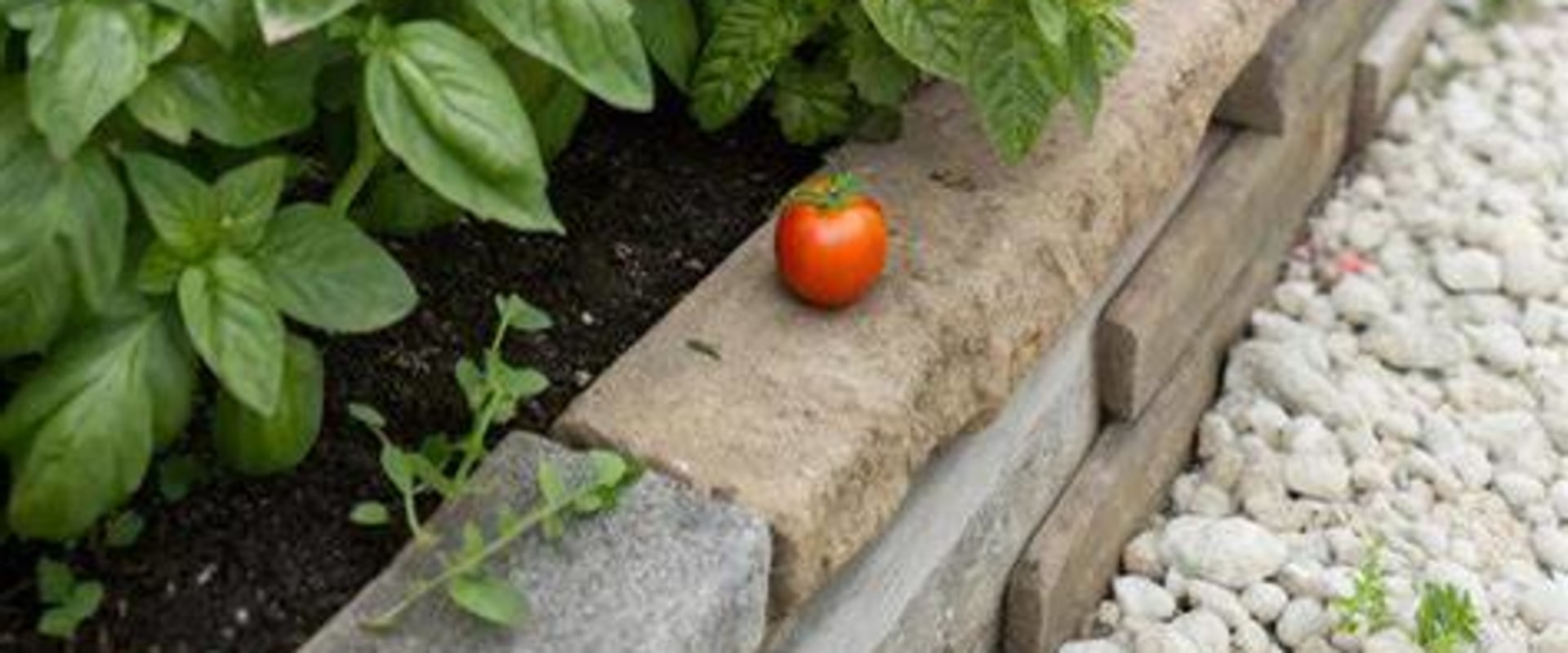
Welcome to the world of gardening, where every seed sown can lead to a flourishing paradise right in your backyard! If you're looking to enhance your garden's productivity and beauty, Companion Planting StrategiesCompanion Planting Strategies are an excellent way to achieve this goal. This ancient technique, which involves planting different crops in proximity for mutual benefits, can transform your garden into a vibrant ecosystem. Not only do these strategies promote healthier plants, but they also help in pest control, improve soil health, and increase yields. Imagine a garden where tomatoes thrive alongside basil, enhancing each other's flavor while naturally repelling harmful insects.
Picture marigolds standing guard, protecting your vegetables from pests, while legumes enrich the soil with nitrogen for surrounding plants. The possibilities are endless, and each combination offers unique advantages that can elevate your gardening game. In this article, we will delve into the fascinating world of Companion Planting Strategies, exploring various combinations that can benefit your garden. Whether you’re a seasoned gardener or just starting out, understanding these techniques will not only make your gardening experience more enjoyable but will also lead to a more sustainable approach to cultivating your plants.
Join us as we uncover the secrets of companion planting and how you can easily implement these strategies in your own garden!Companion planting strategies are a time-honored gardening technique that involves growing different plants in proximity for mutual benefits. At the heart of these strategies is the principle of creating mutualistic relationships between plants, where one plant's presence can enhance the growth and health of another. This is achieved through various mechanisms, including pest deterrence, improved nutrient uptake, and enhanced pollination. By understanding these relationships, gardeners can create vibrant and harmonious spaces that support both plant and wildlife, ultimately leading to a more sustainable garden ecosystem. One of the most popular combinations in companion planting is that of tomatoes and basil.
Not only does basil improve the flavor of tomatoes, but it also repels harmful insects such as aphids and whiteflies. Another excellent pairing is marigolds with various vegetables; the bright flowers attract beneficial insects while deterring nematodes and other pests. Similarly, planting beans with corn allows the beans to fix nitrogen in the soil, enriching it for the corn’s benefit. These combinations are just a few examples of how gardeners can leverage companion planting strategies to foster plant health and productivity. Implementing these strategies can be done effectively in both small gardens and larger landscapes.
In smaller spaces, vertical gardening techniques can maximize limited area, allowing for a variety of companion plants to thrive in close quarters. For instance, climbing plants like peas can be grown alongside sturdy crops like corn, creating a natural trellis system. In larger gardens, planning layouts that take into account the specific needs of each plant—such as spacing requirements and sunlight exposure—can lead to optimal growth conditions. Grouping plants with similar water and soil needs together not only simplifies care but enhances the overall effectiveness of companion planting.Understanding plant needs regarding sunlight, water, and soil types is crucial when developing a successful companion planting strategy.
For example, shade-tolerant plants can be placed under taller varieties to create a microclimate that benefits both. Similarly, knowing which plants require more water or nutrients will help in planning their arrangement within the garden. It’s important to consider these factors to avoid competition among plants that may lead to poor growth or even failure. Many successful gardens have effectively utilized companion planting strategies. Community gardens often showcase this practice by pairing flowers and vegetables in a single plot, creating visually appealing spaces while maximizing yields.
Home gardeners have reported higher harvests and healthier plants by adopting these techniques, with some even sharing their experiences in local gardening clubs or online forums. Such examples highlight the practicality and benefits of integrating companion planting into everyday gardening practices. However, some challenges or misconceptions about companion planting may arise. One common concern is compatibility; not all plants will thrive together. Some may compete for resources or inhibit each other's growth.
To mitigate this risk, it's important to conduct thorough research on plant pairings before implementation. Additionally, space limitations can pose a challenge; however, using creative approaches such as intercropping or tiered planting can help overcome these restrictions. By understanding the principles behind these strategies and being willing to experiment, gardeners can find successful combinations that work for their specific conditions. In conclusion, embracing companion planting strategies opens up a world of possibilities for enhancing any garden space. By fostering beneficial relationships between plants, gardeners can create a thriving ecosystem that not only supports plant health but also contributes to overall biodiversity.
Whether working with a small balcony garden or sprawling landscape, anyone can implement these techniques to cultivate a vibrant and productive garden.
Eco-Friendly Practices in Companion Planting
Companion planting is not just a gardening technique; it is a philosophy that aligns perfectly with sustainable gardening practices. By carefully selecting which plants to grow together, gardeners can create a more resilient ecosystem that promotes is not just a gardening technique; it is a philosophy that aligns perfectly with sustainable gardening practices. By carefully selecting which plants to grow together, gardeners can create a more resilient ecosystem that promotes biodiversity and minimizes the need for chemical interventions. One of the primary benefits of companion planting is its ability to naturally deter pests. Certain plants can repel harmful insects, making it less necessary to rely on synthetic pesticides. For instance, planting marigolds alongside vegetables can help ward off nematodes and other pests, allowing for a healthier crop without chemical treatments. Moreover, companion planting encourages a diversity of plant species, which contributes to a balanced garden ecosystem.This diversity attracts beneficial insects, such as pollinators and predatory bugs that feed on pests, further enhancing the garden's health. By fostering a variety of plants that support one another, gardeners can create habitats that promote a thriving environment for wildlife. Additionally, many companion plants are known to improve soil health. For example, legumes can fix nitrogen in the soil, which can benefit neighboring plants that require nutrient-rich conditions. This natural method of enhancing soil fertility reduces the need for chemical fertilizers, making gardening more eco-friendly. Incorporating companion planting into your gardening practices not only enhances plant growth and productivity but also aligns with a sustainable approach to landscaping.
By adopting these eco-friendly practices, gardeners can contribute to environmental health while enjoying the beauty and bounty of their gardens.
Understanding Companion Planting
Companion planting is a gardening technique that involves strategically placing different plants in proximity to one another to enhance growth, deter pests, and promote overall garden health. The science behind this practice lies in the natural relationships that exist between various plant species. By understanding these interactions, gardeners can create more productive and resilient ecosystems within their gardens. One of the key principles of companion planting is the concept of mutualism, where two or more plant species benefit from each other's presence. For instance, certain plants can provide shade, support, or nutrients that help their neighbors thrive.A classic example is the combination of corn, beans, and squash, often referred to as the 'Three Sisters.' In this arrangement, corn provides a tall structure for beans to climb, beans fix nitrogen in the soil, which benefits all three plants, while squash spreads out to shade the ground and reduce weed growth. Additionally, some plants exude natural chemicals through their roots or leaves that can repel pests or attract beneficial insects. For example, marigolds are known to deter nematodes and other harmful insects when planted alongside vegetables. This natural pest control reduces the need for chemical pesticides and helps maintain a healthy garden ecosystem. Another aspect of companion planting is promoting biodiversity. A diverse garden is less susceptible to pests and diseases, as it creates a balanced environment where no single species dominates.
By incorporating various plants that attract different pollinators and beneficial insects, gardeners can enhance pollination and improve crop yields. In summary, understanding the science behind companion planting allows gardeners to make informed decisions about plant pairings that can lead to a more vibrant and harmonious garden. By harnessing the natural relationships between plants, enthusiasts can cultivate an environment that supports healthy growth, deters unwanted pests, and fosters biodiversity.
Popular Companion Planting Combinations
Companion planting is a technique that involves pairing different plants together to create a mutually beneficial environment. Here are some effective pairings and groupings of plants, along with the specific advantages each combination offers:Tomatoes and Basil: This classic combination not only enhances the flavor of tomatoes but also helps to repel pests such as aphids and whiteflies. Basil can improve the overall health of tomato plants by attracting beneficial insects.Carrots and Onions:
Planting carrots alongside onions can help deter carrot flies, as the onion's strong scent confuses these pests.Additionally, both plants have different root structures, allowing them to utilize soil nutrients efficiently.
Corn, Beans, and Squash (The Three Sisters):
This traditional Native American trio works harmoniously. Corn provides a natural pole for beans to climb, beans fix nitrogen in the soil, benefiting all three plants, while squash spreads out on the ground, blocking sunlight and preventing weeds.Marigolds and Vegetables:
Marigolds are known for their pest-repelling properties. When planted among vegetables, they can deter nematodes and other harmful insects, improving the overall health of nearby plants.Cucumbers and Nasturtiums:
Nasturtiums act as a trap crop for aphids, luring them away from cucumbers. They also attract pollinators and can enhance the growth of cucumbers by providing ground cover to retain soil moisture.Garlic and Roses:
Garlic is an excellent companion for roses as it helps deter aphids and other pests.The garlic's pungent aroma masks the scent of roses, making it harder for pests to locate them. By incorporating these companion planting strategies, you can create a more resilient and thriving garden. Each combination not only supports plant health but also fosters biodiversity, making your gardening experience more rewarding.
Implementing Companion Planting in Your Landscape
Integrating companion planting strategies into your garden can transform it into a thriving ecosystem. Here’s a step-by-step guide to help you incorporate these techniques in various garden types.1.Assess Your Garden Space:
Start by evaluating your garden's layout. Take note of sunlight, shade, and soil conditions.This assessment will guide your choice of companion plants that will thrive together.
2.Choose Compatible Plants:
Research which plants work well together. For instance, tomatoes benefit from being planted alongside basil, which can enhance flavor and deter pests. On the other hand, avoid planting crops like carrots with dill, as they may compete for resources.3.Plan Your Layout:
Create a planting plan that maximizes the benefits of companion planting. Group plants with complementary characteristics.For example, plant tall sunflowers to provide shade for shorter plants or place nitrogen-fixing legumes near heavy feeders like corn.
4.Implement Interplanting:
In smaller spaces, consider interplanting. This involves planting different species close together to utilize space efficiently. For example, mix quick-growing greens with slower-growing crops to make the most of your garden bed.5.Utilize Succession Planting:
Use succession planting to ensure continuous growth and harvest. After harvesting early crops, replant with companion plants that will thrive in the same conditions, keeping the soil healthy and productive.6.Monitor and Adjust:
After planting, regularly observe your garden for signs of success or issues.If certain plants seem to struggle, consider rearranging them or trying different companions to find a better fit.
7.Maintain Healthy Soil:
Healthy soil is crucial for successful companion planting. Regularly amend your soil with organic matter and compost to support the diverse root systems of various plants.8.Enjoy the Benefits:
As your companion planting takes root, enjoy the increased biodiversity and resilience in your garden. You’ll likely notice enhanced plant growth, reduced pests, and a more vibrant landscape overall. In conclusion, companion planting strategies offer a multitude of benefits that can significantly enhance your gardening experience. By understanding the principles of companion planting, you can cultivate a garden that not only thrives but also deters pests and fosters biodiversity.The popular combinations we've explored provide a solid foundation for anyone looking to implement these techniques in their landscape. As you embark on this journey, remember that experimentation is key. Every garden is unique, and discovering the right combinations for your specific environment can lead to more resilient and productive outdoor spaces. We encourage you to take action, test out different companion planting pairings, and witness the transformation in your garden. Ultimately, adopting these eco-friendly practices will not only beautify your surroundings but also contribute positively to the ecosystem. So go ahead, embrace companion planting strategies, and watch your garden flourish!.


