Practical field notes
Understanding Soil Analysis for Successful Landscaping
Learn how soil analysis can enhance your landscaping efforts with practical tips and eco-friendly practices.
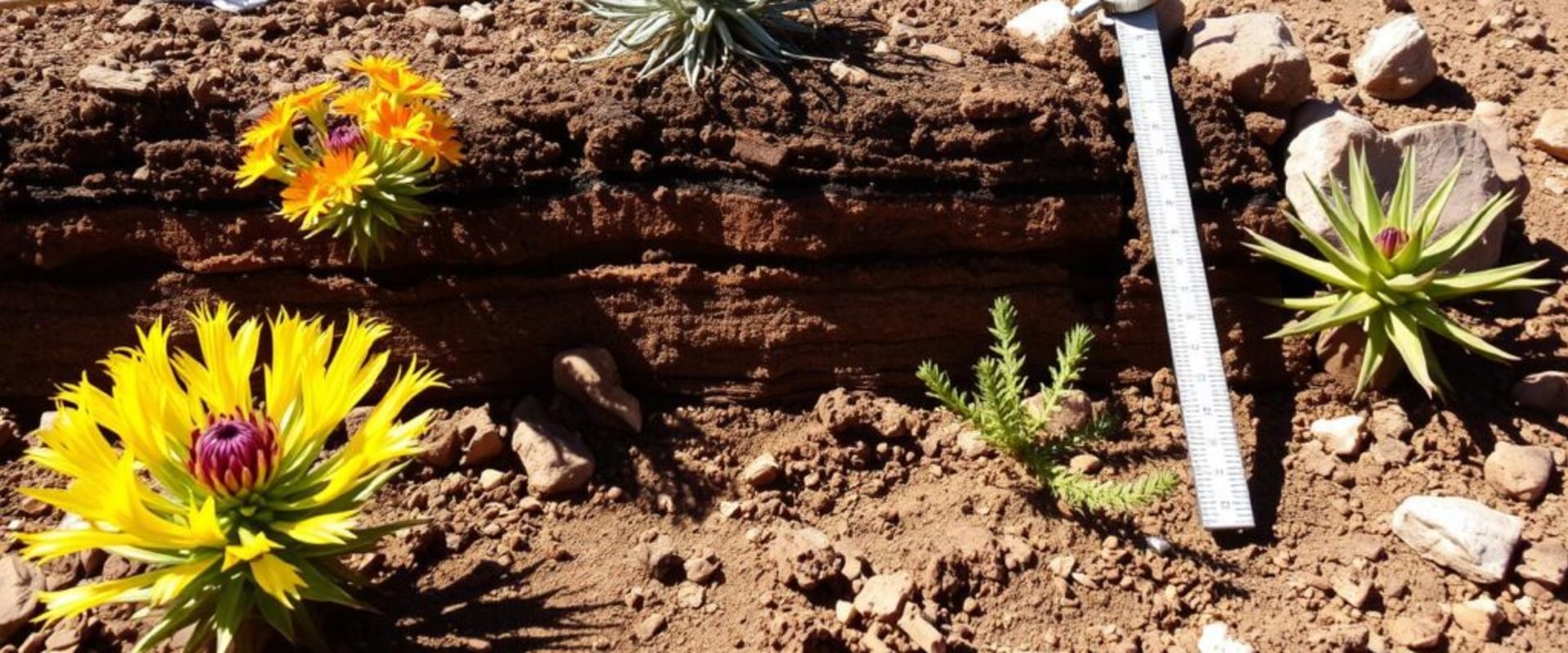
When embarking on a landscaping project, many homeowners and designers focus on aesthetics—choosing the right plants, arranging decorative features, and creating visually appealing layouts. However, the foundation of a successful landscape lies beneath the surface, in the very soil that supports it. This is where soil analysis for landscaping becomes essential, as it helps ensure that organic practices are implemented effectively, making for a healthier and more sustainable garden. Understanding the composition and health of your soil can make all the difference between a thriving garden and a struggling one. Soil analysis goes beyond simply assessing texture or color; it involves examining pH levels, nutrient content, and organic matter, among other factors. When embarking on a landscaping project, many homeowners and designers focus on aesthetics—choosing the right plants, arranging decorative features, and creating visually appealing layouts. However, the foundation of a successful landscape lies beneath the surface, in the very soil that supports it. This is where soil analysis for landscaping becomes essential, as it helps ensure that organic practices are implemented effectively, making for a healthier and more sustainable garden. Understanding the composition and health of your soil can make all the difference between a thriving garden and a struggling one. Soil analysis goes beyond simply assessing texture or color; it involves examining pH levels, nutrient content, and organic matter, among other factors.
Armed with this knowledge, landscapers can make informed decisions that enhance plant growth, improve sustainability, and ultimately lead to a more robust landscape. In this article, we will delve into the significance of soil analysis for landscaping, exploring its various components and benefits. Whether you're a seasoned professional or a passionate DIYer, understanding your soil can empower you to create landscapes that not only look beautiful but also function effectively within their environment. Join us as we uncover the intricacies of soil analysis and its vital role in achieving landscaping success.
Soil analysis
is a critical aspect of successful landscaping that involves understanding the various characteristics of soil in order to make informed decisions about plant selection and landscape design. When embarking on a landscaping project, whether you are a DIY enthusiast or a professional, it is essential to conduct a thorough analysis of the soil to ensure that your plants thrive and your garden flourishes. One of the primary factors in is a critical aspect of successful landscaping that involves understanding the various characteristics of soil in order to make informed decisions about plant selection and landscape design. When embarking on a landscaping project, whether you are a DIY enthusiast or a professional, it is essential to conduct a thorough analysis of the soil to ensure that your plants thrive and your garden flourishes. One of the primary factors in soil analysis is pH levels.The pH scale measures how acidic or alkaline the soil is, which can significantly impact nutrient availability to plants. For instance, a high pH level, often above 7, can lead to nutrient deficiencies, particularly in micronutrients such as iron and manganese, which can result in yellowing leaves and stunted growth. Conversely, a low pH level can lead to an excess of certain nutrients, which can be toxic to plants. Understanding the pH of your soil allows you to select plants that are well-suited to the existing conditions or to amend the soil to create a more balanced environment. Another important aspect of soil analysis is assessing the nutrient content.
Essential nutrients such as nitrogen, phosphorus, and potassium play vital roles in plant growth. A nutrient-rich soil promotes healthy root development, vibrant foliage, and abundant blooms. Conducting a soil test can reveal any deficiencies or excesses in these key nutrients. For example, if your soil test indicates low nitrogen levels, this may hinder the growth of leafy vegetables and flowering plants.
By understanding the nutrient profile of your soil, you can make targeted amendments to enrich the soil with fertilizers or organic matter that will enhance plant performance. The texture of the soil is another crucial factor that influences water retention and drainage capabilities. Soil texture refers to the relative proportions of sand, silt, and clay particles within the soil. Sandy soils drain quickly but may not retain moisture effectively, while clay soils retain water but can become compacted and limit drainage. Knowing your soil texture helps you determine which plants will thrive based on their water needs.
For instance, drought-tolerant plants are better suited for sandy soils with good drainage, while moisture-loving plants may flourish in clay soils that hold water longer. Additionally, understanding how texture affects drainage can inform your landscape design decisions regarding irrigation systems and plant placement. Common misconceptions about soil often arise from a lack of understanding of these fundamental aspects. Many gardeners believe that all soils are created equal; however, each type of soil has its unique characteristics that influence plant growth. It is vital for landscapers to consider their unique site conditions—such as local climate, existing vegetation, and nearby water sources—when planning their gardens. Improving soil health sustainably is achievable through the use of soil amendments and eco-friendly practices.
Organic matter such as compost, well-rotted manure, and mulch can enhance soil structure, increase nutrient content, and promote beneficial microbial activity in the soil. Implementing these practices not only improves fertility but also supports ecological balance within your landscape. There are several methods for conducting soil tests, ranging from DIY kits available at garden centers to professional laboratory services. DIY kits typically involve collecting soil samples from different areas of your yard and mixing them with a testing solution to determine pH and nutrient levels. Professional services offer more comprehensive analysis and recommendations based on precise measurements and local soil conditions.
Regardless of the method chosen, interpreting the results accurately is essential for making informed decisions regarding amendments and plant selections. Once you have gathered information from your soil analysis, you can create tailored landscaping plans that suit your individual preferences and home styles. For example, if your analysis reveals high acidity levels and low nitrogen content, you might choose acid-tolerant plants such as azaleas or rhododendrons while incorporating lime or organic fertilizers into your planting strategy. Understanding how to utilize this data effectively will ultimately lead to successful landscape designs that thrive over time.
The Importance of Soil Health in Landscaping
Healthy soil is the cornerstone of any successful landscaping project. It serves as the foundation for plant growth, influencing everything from nutrient availability to moisture retention.When the soil is in good health, it creates an ideal environment for plants to thrive, leading to lush gardens and vibrant landscapes. One of the primary reasons soil health is crucial is its role in nutrient cycling. Healthy soil contains a diverse community of organisms, including bacteria, fungi, and earthworms, which work together to break down organic matter and release essential nutrients. This natural process ensures that plants receive the minerals they need to grow strong and healthy. Additionally, healthy soil improves water retention and drainage. Well-structured soil allows for better infiltration of water, reducing runoff and erosion while promoting deep root growth.
This not only helps plants withstand periods of drought but also minimizes the risk of waterlogging, which can lead to root rot and other problems. Moreover, understanding the characteristics of your soil can guide your plant selection. By knowing whether your soil is sandy, clayey, or loamy, you can choose plants that are best suited to those conditions. This tailored approach leads to better plant performance and reduces the need for chemical fertilizers and pesticides, promoting a more sustainable landscaping practice. In conclusion, the health of your soil directly impacts the success of your landscaping efforts. Investing time in soil analysis will pay off in the form of healthier plants, reduced maintenance costs, and a more beautiful outdoor space that you can enjoy for years to come.
Tailoring Your Landscape Design to Your Soil
Understanding the results of your soil analysis is crucial for making informed decisions about your landscape design.By examining key factors such as soil pH, texture, and nutrient content, you can select plants and hardscaping materials that thrive in your specific conditions. When choosing plants, consider their adaptability to the soil type identified in your analysis. For instance, if your analysis reveals sandy soil with good drainage, you might opt for drought-resistant species like lavender or succulents. On the other hand, if your soil is clay-heavy and retains moisture, consider plants such as ferns or willows that prefer wetter conditions. Additionally, understanding the soil's pH can significantly influence plant health. Acidic soils favor plants like azaleas and rhododendrons, while alkaline soils are better suited for species like lilacs and columbines.
Always refer to the specific pH requirements of potential plants to ensure compatibility with your soil. Incorporating hardscaping materials also requires consideration of your soil analysis. For instance, if your soil is prone to erosion, choose heavier stones or bricks that will stay in place better than lighter materials. Similarly, in areas where water retention is a concern, permeable paving options can help manage drainage effectively. Lastly, remember that both DIY enthusiasts and professionals can use soil analysis to enhance their designs. By tailoring your landscape elements to the conditions revealed by your analysis, you create a more harmonious and sustainable environment that benefits both plants and aesthetics.
Key Elements of Soil Analysis
Soil analysis is a critical aspect of landscaping that involves evaluating various soil characteristics to make informed decisions about plant selection and landscape design.Understanding these elements can significantly enhance garden health and aesthetics. Here are the main factors measured in soil analysis:pH Level: The pH level of soil indicates its acidity or alkalinity, which affects nutrient availability for plants. Most plants thrive in a pH range of 6.0 to 7.5.A soil test can help determine if amendments are needed to optimize plant growth.
Nutrient Content:
Soil analysis measures essential nutrients such as nitrogen (N), phosphorus (P), and potassium (K), often referred to as N-P-K. These nutrients are vital for plant health, and understanding their concentrations helps landscapers choose appropriate fertilizers and amend soil as necessary.Soil Texture:
The texture of the soil—whether sandy, clayey, or loamy—affects drainage, aeration, and root development.Analyzing soil texture helps in selecting plants that are well-suited for specific soil types, ensuring better growth and sustainability.
Organic Matter:
The presence of organic matter in the soil influences its fertility and moisture retention capabilities. High organic matter content generally leads to healthier soils that support diverse plant life. Soil analysis can quantify organic matter levels, guiding gardeners in improving their soil's quality.Electrical Conductivity (EC):
This measurement indicates the soil's salinity level. High salinity can hinder plant growth, so understanding the EC can help landscapers choose salt-tolerant plants if necessary or implement leaching practices to reduce salinity levels. By measuring these key elements through soil analysis, both DIY enthusiasts and professionals can make informed decisions that lead to successful landscaping outcomes.Eco-Friendly Practices for Soil Improvement
Enhancing soil health is crucial for achieving thriving landscapes, and adopting eco-friendly practices can significantly contribute to this goal.By implementing sustainable methods, both DIY enthusiasts and professionals can maintain the vitality of their gardens while promoting environmental stewardship. One of the most effective eco-friendly practices for soil improvement is the use of organic matter. Adding compost, well-rotted manure, or leaf mold enriches the soil with essential nutrients, enhances its structure, and improves moisture retention. This not only benefits plant growth but also encourages beneficial microorganisms that contribute to a healthy soil ecosystem. Another sustainable approach involves the practice of crop rotation. By varying the types of plants grown in a specific area over time, gardeners can prevent nutrient depletion and reduce pest infestations.
This method promotes biodiversity in the soil, which is vital for maintaining a balanced ecosystem. Cover crops are also an excellent way to enhance soil health sustainably. Planting species such as clover or rye during the off-season prevents erosion, suppresses weeds, and adds organic matter when tilled back into the soil. These practices not only improve soil quality but also help in carbon sequestration, contributing positively to the environment. Additionally, minimizing soil disturbance through No-Till or
These organic options support long-term soil fertility and promote healthy plant growth. In conclusion, embracing eco-friendly practices for soil improvement not only leads to healthier landscapes but also fosters a sustainable environment. By understanding and implementing these methods, anyone can contribute to a thriving garden ecosystem.
Interpreting Soil Test Results
Once you have your soil test results in hand, the next step is to interpret these findings effectively. Soil tests typically provide a wealth of information, including pH levels, nutrient content, organic matter percentages, and soil texture. Understanding these parameters is essential for making informed decisions about your landscaping. The pH level of your soil indicates its acidity or alkalinity.Most plants thrive in a pH range of 6.0 to 7.5.If your results show a pH outside this range, amendments such as lime or sulfur may be necessary to adjust the pH for optimal plant health. Nutrient levels are another critical aspect of your soil test. Common nutrients measured include nitrogen (N), phosphorus (P), and potassium (K). A deficiency in any of these can lead to poor plant growth. For instance, nitrogen is vital for leafy growth, while phosphorus promotes root development and flowering.
Your test results will usually indicate whether you need to add fertilizers or organic amendments to address any deficiencies. Additionally, understanding the organic matter percentage in your soil is crucial. A higher organic matter content typically indicates better soil structure, moisture retention, and nutrient availability. If your organic matter is low, consider adding compost or well-rotted manure to enhance soil quality. Lastly, soil texture—composed of sand, silt, and clay—affects drainage and root penetration. Knowing your soil texture can guide you in selecting appropriate plants that will thrive in your specific conditions.
For example, sandy soils drain quickly but may not retain nutrients well, while clay soils retain moisture but can become compacted. In summary, effectively interpreting your soil test results empowers both DIY enthusiasts and professionals to make informed choices about plant selection and landscape design. By understanding your soil's characteristics, you can create a thriving landscape that enhances both beauty and functionality.
How to Conduct a Soil Test
Conducting a soil test is essential for understanding the characteristics of your landscape. Here are step-by-step instructions for both DIY soil testing and hiring professionals. Conducting a soil test is essential for understanding the characteristics of your landscape. Here are step-by-step instructions for both DIY soil testing and hiring professionals.DIY Soil Testing
1.Gather Materials:
You will need a clean container, a trowel, and a soil testing kit which can be purchased from garden centers or online.2.Select Test Areas:
Identify several locations within your landscape where you want to assess the soil. This should include areas that have different plant types or growth patterns.3.Collect Soil Samples:
Use the trowel to dig down about 6-8 inches and remove a small amount of soil from each location.Combine samples into one clean container for a more comprehensive analysis.4.
Prepare Samples:
Remove any debris, such as roots or rocks, and allow the soil to dry if it is moist.5.Follow Kit Instructions:
Use the soil testing kit according to the manufacturer's instructions. This usually involves mixing the soil with water and specific reagents to test for pH and nutrient levels.6.Interpret Results:
Once you have the results, compare them to recommended levels for your desired plants and make adjustments as necessary.Hiring Professionals
If you prefer to leave it to the experts, hiring a professional soil testing service can provide more detailed analysis and recommendations.1.Find a Reputable Service:
Search for local agricultural extension offices or landscaping companies that offer soil testing services.2.Schedule an Appointment:
Contact the service provider to discuss your needs and schedule a time for them to collect samples.3.Prepare Your Landscape:
Clear any obstructions in the testing areas to allow easy access for the professionals.4.Receive Results:
After testing, the professionals will provide you with a detailed report on your soil's characteristics, including pH, nutrient levels, and recommendations for improvement. By following these steps, you can effectively assess your soil's condition, ensuring that your landscaping efforts are both successful and sustainable. In conclusion, understanding soil analysis is essential for anyone looking to create beautiful and sustainable landscapes. Throughout this article, we've discussed the importance of soil health in landscaping, the key elements involved in soil analysis, and how to conduct and interpret soil tests effectively. We also highlighted the benefits of tailoring your landscape design to your specific soil conditions, as well as implementing eco-friendly practices to improve soil quality. By recognizing the unique characteristics of your soil, you can make informed decisions that lead to healthier plants and more successful outdoor spaces.We encourage both DIY enthusiasts and professionals alike to take action by testing their soil. This proactive step will not only enhance the beauty of your landscape but also contribute to its long-term sustainability.


