Practical field notes
Choosing the Right Materials for Your Pathways
Discover materials for walkways and pathways that enhance your outdoor space and suit your style.
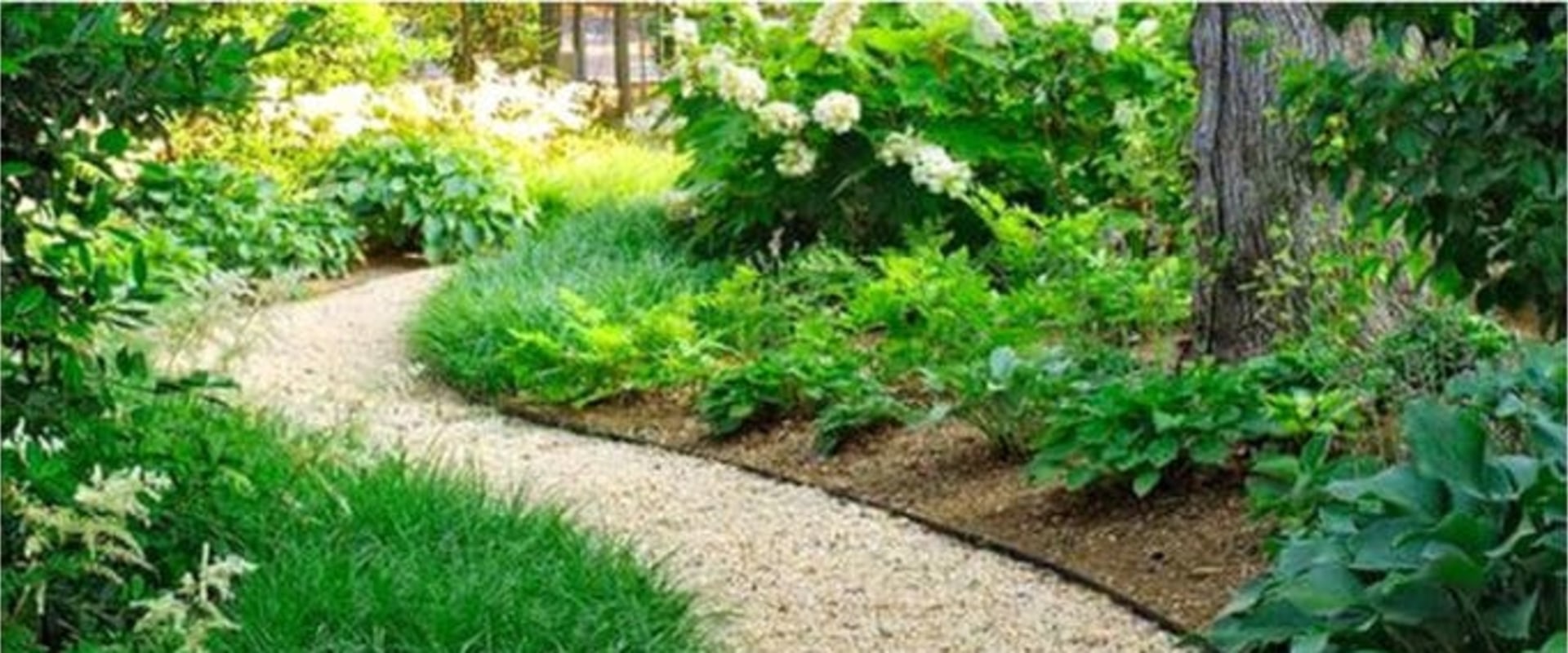
When it comes to enhancing the beauty and functionality of your outdoor spaces, choosing the right materials for your pathways is a crucial decision. A well-designed pathway not only guides visitors through your garden or yard but also adds significant aesthetic appeal to your landscape. With a plethora of materials available, from natural stone and brick to gravel and concrete, navigating through the options can be overwhelming. Each material brings its own unique charm, durability, and maintenance requirements, making the selection process both exciting and challenging. In this comprehensive guide, we will explore the essential factors to consider when selecting materials for your pathways.
Whether you're designing a rustic garden trail or a modern walkway, understanding the properties and benefits of different materials can help you create a stunning and functional path that complements your home’s architecture and landscape. Join us as we delve into the world of pathway materialspathway materials, offering insights that will empower you to make informed decisions and transform your outdoor spaces into inviting retreats. When it comes to landscaping, the importance of pathways cannot be overstated. These features not only guide visitors through a garden but also create structure and enhance the overall aesthetic appeal of outdoor spaces. Choosing the right materials for your pathways is crucial, as they impact both functionality and design.
With a variety of options available, it’s essential to evaluate each material's pros and cons while considering your specific needs and preferences. Let’s explore some popular choices for pathway materials, starting with stone. Natural stone, such as flagstone or slate, offers a timeless elegance that can complement various garden styles. Its durability makes it an excellent option for high-traffic areas. However, the cost can be a drawback, as natural stone tends to be pricier than other options.
Additionally, it requires a solid foundation to prevent shifting over time. Still, when installed correctly, stone pathways can elevate the beauty of any landscape. Another classic choice is brick. Known for its charming aesthetic and versatility, brick can be laid in various patterns to create unique designs. It provides good traction and is relatively easy to repair if individual bricks become damaged.
However, like stone, brick can also be costly and may require regular maintenance to keep it looking its best. Homeowners should consider the climate in their region; in colder areas, freezing temperatures can lead to cracks if proper drainage is not ensured.
Gravel
is an increasingly popular option due to its affordability and ease of installation. It allows for excellent drainage and can adapt well to different landscapes. However, gravel pathways may require more maintenance than other materials, as stones can shift or wash away during heavy rains.To maintain a clean look, consider using edging materials to keep the gravel contained. Additionally, this material can complement a rustic garden style beautifully.
Concrete
is another widely used material for pathways. Its strength and durability make it a practical choice for various climates. Concrete can be poured into different shapes and stamped with patterns to mimic the look of stone or brick, offering design flexibility.On the downside, concrete can become slippery when wet and may develop cracks over time if not properly maintained. Homeowners should weigh these factors against their budget and desired aesthetic. When selecting materials, it's essential to consider practical aspects such as climate and maintenance requirements. For instance, if you live in an area with heavy rainfall, opting for permeable materials like permeable pavers can help manage water runoff while still providing a beautiful pathway. These eco-friendly options allow water to seep through, reducing puddles and minimizing erosion. Budget is another critical factor in the decision-making process.
While natural stone may offer superior aesthetics, it often comes with a higher price tag compared to gravel or concrete. It's important to find a balance between your vision for your pathways and what you can afford. To provide inspiration for your own pathway designs, consider successful examples from real gardens or landscapes that have utilized these materials effectively. For instance, a local park transformed its entrance with a winding gravel pathway, framed by native plants that thrive in the region's climate. This not only enhances accessibility but also creates an inviting atmosphere for visitors. Additionally, quotes from landscape professionals can shed light on best practices when choosing materials for pathways.
One landscape architect notes, "The right material can make or break the functionality of a pathway; ensure you consider both aesthetics and practicality." Such insights can help guide your decision-making process. Lastly, sustainability should be a significant consideration when selecting pathway materials. Many homeowners are now prioritizing eco-friendly options that minimize environmental impact. Recycled materials or locally sourced stones not only reduce carbon footprints but also support local economies. In conclusion, choosing the right materials for your pathways involves careful consideration of various factors including design preferences, functionality, climate suitability, maintenance requirements, budget constraints, and sustainability concerns. By evaluating these elements thoughtfully and exploring diverse material options like stone, brick, gravel, and concrete, you can create beautiful pathways that enhance your outdoor space while serving practical purposes.
Eco-Friendly Options
When considering eco-friendly options for pathways, it's essential to focus on materials that are sustainable and have a minimal environmental impact.One of the most popular choices is recycled materials, such as reclaimed bricks or stones. These not only reduce waste but also add character and history to your garden. Another excellent option is using permeable pavers. These allow water to flow through, reducing runoff and promoting groundwater recharge. This can be especially beneficial in areas prone to flooding or erosion.
Natural stone
is also a great choice.Sourced responsibly, it can provide durability while maintaining an organic look that blends seamlessly with the landscape. For those looking to incorporate living elements, consider grass or moss pathways. These not only create a soft, inviting feel underfoot but also enhance biodiversity by supporting local flora. Finally, don’t overlook the importance of locally sourced materials. Using materials from nearby suppliers reduces transportation emissions and supports local economies. By choosing eco-friendly options, you can create beautiful pathways that are not just aesthetically pleasing but also contribute positively to the environment.
Aesthetic Considerations
When it comes to choosing materials for paths, the aesthetic impact on your landscaping cannot be overstated.The right materials can either complement or contrast with the existing elements of your garden and home, creating a cohesive or dynamic visual experience. For instance, if your home features a modern design with clean lines and minimalistic landscaping, materials like concrete or pavers in neutral tones can enhance that contemporary feel. On the other hand, if your garden leans towards a more traditional style, natural stone or brick pathways can evoke a classic charm. Consider the color palette of your garden as well. A path made from light-colored gravel can brighten a shady area, while darker stones can provide a striking contrast against vibrant flowers.
Additionally, textures play a crucial role in aesthetics; a smooth slate pathway can offer a sleek look, while rough-hewn stones can add rustic appeal. Ultimately, asking yourself questions like 'What type of pathway best suits your outdoor style?' will guide you in selecting materials that not only serve a functional purpose but also enhance the beauty of your landscape. By thoughtfully considering how different materials interact with your existing landscaping, you can create pathways that elevate the overall experience of your outdoor space.
Maintenance Tips
Maintaining pathways is essential to ensure their longevity and keep them looking their best. Different materials require specific care, so it's important to understand how to maintain each type effectively. For natural stone pathways, regular sweeping is crucial to remove debris and prevent moss buildup. If stains occur, a gentle scrub with a pH-neutral cleaner can help restore their appearance.Additionally, applying a stone sealant every few years can protect against weathering and staining.
Concrete paths
are typically low-maintenance, but they can develop cracks over time. Inspect your pathway regularly for any damage and fill cracks with a concrete filler as soon as they appear. Power washing once a year can remove dirt and mildew, giving your path a fresh look.Brick walkways
require periodic re-sanding of the joints to prevent weed growth. If you notice any loose bricks, reset them using a mortar mix for stability.Regular sweeping and occasional power washing will keep the bricks looking new.
Gravel paths
need to be raked regularly to maintain an even surface and prevent weed growth. Adding new gravel every couple of years can refresh the look and ensure proper drainage. Finally, for wooden pathways, it's vital to treat the wood with sealants or stains to protect it from moisture and UV damage. Regular inspection for rot or insect damage will help you catch any issues early, ensuring your wooden path remains sturdy. By following these maintenance tips tailored to your pathway material, you can enjoy a beautiful and functional outdoor space for years to come.Choosing Based on Functionality
When it comes to choosing materials for paths, understanding the functionality of your walkway is paramount. Different pathways will experience varying levels of foot traffic, which directly influences the type of material that will be most effective.For instance, a pathway that leads to a frequently visited area, such as a garden entrance, may benefit from durable materials like concrete or natural stone, as they can withstand heavy use without showing signs of wear and tear. Another critical factor to consider is drainage. Pathways should be designed to manage water effectively to prevent pooling and erosion. Materials with good permeability, such as gravel or permeable pavers, allow water to flow through, reducing the risk of damage from heavy rain. On the other hand, solid surfaces like asphalt might require additional drainage solutions to avoid water accumulation. The weather conditions in your region also play a significant role in determining the right materials for your pathways.
For areas that experience extreme temperatures or heavy snowfall, materials that can withstand these conditions without cracking or degrading are essential. For example, brick and flagstone are excellent choices for their resilience, while more porous materials may not hold up well under freeze-thaw cycles. Ultimately, when choosing materials for paths, considering factors such as foot traffic, drainage, and weather conditions will ensure that your pathway not only looks great but also serves its intended purpose effectively.
Popular Pathway Materials
When it comes to designing your outdoor pathways, selecting the right material is crucial for both functionality and aesthetic appeal. Here’s a closer look at some popular pathway materials to consider.Flagstone
is a classic choice, known for its natural beauty and durability. This type of stone is available in various shapes and colors, allowing for creative layouts.Flagstone can withstand heavy foot traffic, making it ideal for walkways that receive a lot of use. However, installation can be labor-intensive, and costs may vary based on the type of flagstone chosen.
Pavers
offer versatility and come in a range of materials, including concrete, brick, and natural stone. They are easy to install and maintain, making them a popular choice for homeowners. Pavers can be arranged in countless patterns, enhancing the visual interest of your pathways.While initial costs can be higher than gravel, their longevity often justifies the investment.
Gravel
is an economical option that provides excellent drainage. It is easy to install and can be adapted to fit various landscaping styles. Gravel pathways are best suited for informal gardens or rustic settings. However, they may require regular maintenance to keep stones in place and can be less stable underfoot compared to other materials.Wood
is another unique option that brings warmth and natural charm to any garden.Whether using timber planks or wooden stepping stones, wood can create a welcoming atmosphere. However, it’s essential to choose rot-resistant types of wood or treat them properly to withstand outdoor conditions. While wood pathways may require more upkeep than stone or gravel options, they can be a stunning addition to your landscaping. Ultimately, the choice of material should reflect your personal style and the functional needs of your space. By understanding the characteristics and ideal use cases of these popular pathway materials, you can make an informed decision that enhances your outdoor experience. In conclusion, choosing the right materials for pathways is essential for creating an inviting and functional outdoor space.
We explored a variety of popular pathway materials, highlighting their unique characteristics and benefits. Remember, the choice of material should align not only with your aesthetic preferences but also with the practical needs of your landscape. Consider how each option can enhance your garden's beauty while providing durability and ease of maintenance. As you embark on this journey, ask yourself questions like, 'What type of pathway best suits your outdoor style?' and 'How can the right materials elevate your garden experience?' This thoughtful approach will help you design walkways that not only guide visitors but also contribute significantly to the overall ambiance of your environment. Ultimately, whether you opt for traditional stone, eco-friendly options, or contemporary designs, the right pathways can transform your garden into a harmonious retreat. So, take the time to consider your personal style and practical needs, ensuring that every pathway you create reflects both function and beauty.


