Practical field notes
Essential Mowing Techniques for Thriving Grass
Explore effective mowing techniques that promote healthy grass and enhance your outdoor space.
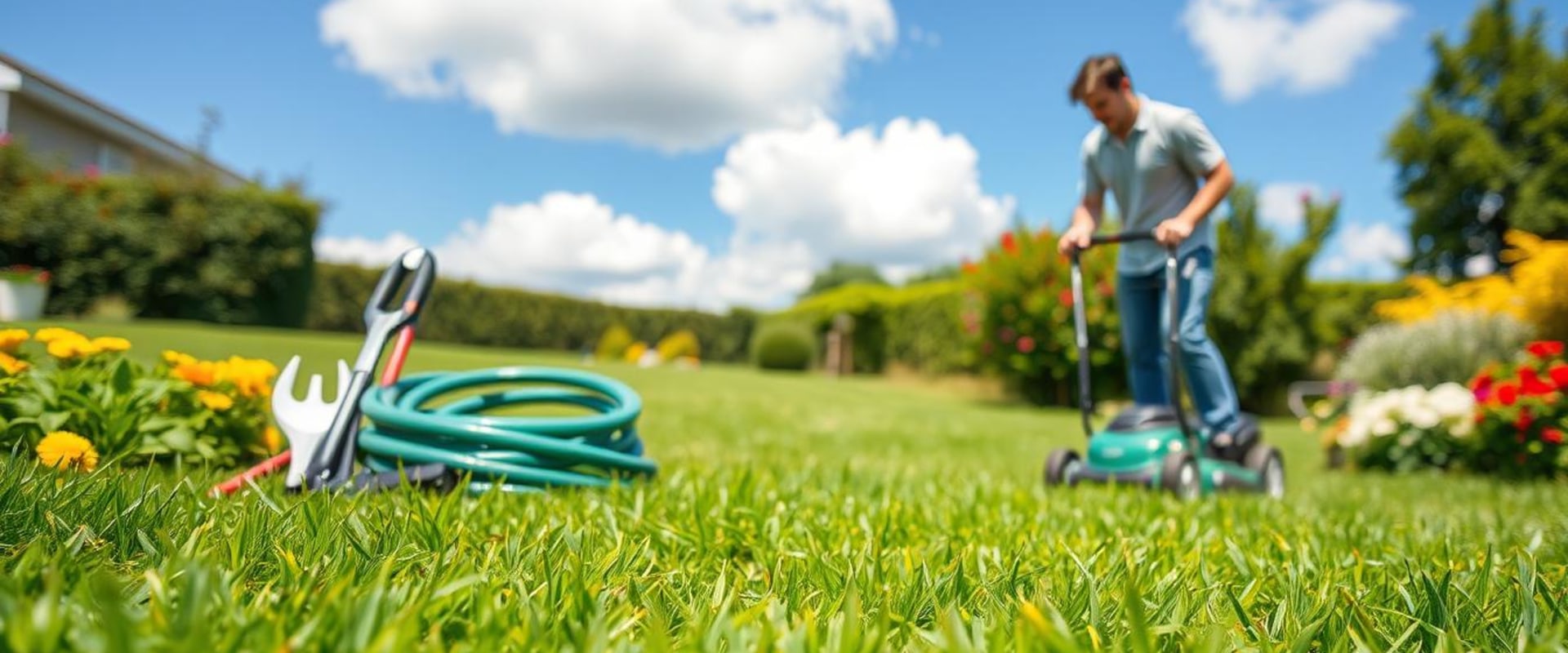
Maintaining a lush, vibrant lawn is a labor of love that many homeowners take pride in. Among the most crucial aspects of lawn care is mowing, a task that goes beyond mere aesthetics. With the right Maintaining a lush, vibrant lawn is a labor of love that many homeowners take pride in. Among the most crucial aspects of lawn care is mowing, a task that goes beyond mere aesthetics. With the right mowing techniques for healthy grass, you can ensure your lawn remains thick, green, and resilient against pests and diseases. However, many people underestimate the impact that mowing has on their grass's overall health.
Did you know that the way you mow can influence not just the appearance of your lawn but also its growth patterns? Understanding the principles behind effective mowing is essential for anyone looking to create and maintain a thriving outdoor space. In this article, we will explore essential mowing techniques that will help you achieve a healthy, beautiful lawn. From optimal cutting heights to timing your mows effectively, we’ll provide insights that will transform your approach to lawn care. Whether you're a seasoned gardener or a novice looking to improve your lawn maintenance skills, this guide will equip you with the knowledge you need to mow like a pro. Join us as we delve into the art and science of mowing, uncovering tips and tricks that promote not just survival, but flourishing growth of your grass.
Mowing techniques for healthy grass
play a crucial role in the overall maintenance and appearance of your lawn.Understanding how different methods impact grass health can lead to a vibrant, lush landscape that not only enhances the aesthetic appeal of your property but also contributes positively to the environment. The way you mow can significantly affect the density and vitality of your grass, making it essential to adopt practices that promote robust growth. The ideal mowing height varies based on the type of grass you have. For instance, cool-season grasses, such as Kentucky bluegrass and fescue, thrive when mowed to a height of 2.5 to 4 inches, while warm-season grasses like Bermuda and zoysia should be kept shorter, typically around 1 to 3 inches. Mowing too low can stress the grass, leading to shallow root systems and increased susceptibility to weeds and pests.
By maintaining the appropriate height, you encourage deeper roots and healthier grass. Establishing a regular mowing schedule is another essential aspect of lawn care. Frequent mowing, typically every 7 to 14 days during peak growing seasons, allows for consistent grass growth and helps prevent weeds from establishing themselves. Regular cutting encourages lateral growth and thicker turf, creating a more resilient lawn. However, be mindful of the seasonal changes that may require adjustments in your mowing frequency; for example, during periods of slower growth in late fall or winter, you may find that mowing every three weeks is sufficient. Adapting your mowing techniques according to seasonal conditions is vital for promoting a healthy lawn.
In spring, as grass begins to grow vigorously, be sure to adjust your mower settings to accommodate this growth spurt. Conversely, during dry summer months, raising the mower height can help shade the soil and conserve moisture. DIY enthusiasts often share success stories about how adjusting their mowing techniques based on weather patterns has led to improved lawn health. Using sharp mower blades is another critical factor in achieving clean cuts that promote healthy grass. Dull blades tear the grass rather than cutting it cleanly, leading to ragged edges that make lawns more susceptible to disease and pests.
Regularly sharpening your blades ensures that each cut is precise and clean, which is essential for minimizing stress on your grass. Alternating your mowing patterns can also make a significant difference in lawn health. Mowing in different directions each time helps prevent soil compaction and encourages upright growth. Compacted soil limits root growth and water absorption, which can adversely affect grass health over time. Many professional landscapers emphasize this technique as a simple yet effective way to maintain a thriving lawn. Leaving grass clippings on the lawn after mowing can provide additional nutrients back into the soil, promoting healthier growth.
This practice, known as grasscycling, returns organic matter to the soil while reducing the need for additional fertilizers. However, ensure that clippings are evenly distributed and not too thickly layered, as this could smother the underlying grass. It's worth noting that there can be disagreements about optimal mowing frequency or height preferences among lawn care enthusiasts. Some argue for higher frequencies to maintain a pristine appearance while others advocate for a less frequent approach to allow the grass to establish itself better. Ultimately, finding what works best for your specific lawn type and conditions is key.
Consider factors such as your grass type, local climate, and personal aesthetic preferences when determining your mowing practices. In conclusion, adopting effective mowing techniques for healthy grass involves understanding your specific lawn's needs and making adjustments based on various factors like seasonality and grass type. Through regular maintenance practices such as proper mowing height, sharp blades, alternating patterns, and timely schedules, you can create an appealing landscape that not only looks great but is also ecologically sound.
Mowing Patterns and Techniques
Varying your mowing patterns is crucial for promoting even growth and maintaining a healthy lawn. When you consistently mow in the same direction, it can lead to soil compaction and create ruts in your grass. By changing your mowing direction regularly, you allow the grass blades to stand up straighter and reduce the risk of wear and tear on your lawn. Additionally, varying mowing patterns can help prevent the development of uneven patches and promote a more uniform appearance.This is especially important for achieving that lush, manicured look that enhances the overall aesthetics of your landscape. Consider alternating between vertical, horizontal, and diagonal patterns each time you mow. This not only helps the grass grow evenly but also encourages deeper root development, leading to a healthier lawn overall. So next time you grab your mower, think about how changing up your mowing techniques can make a significant difference in the health and appearance of your grass.
Choosing the Right Mowing Height
When it comes to maintaining a lush and vibrant lawn, choosing the right mowing height is crucial. Different grass types have specific height preferences that contribute to their overall health and resilience. For instance, cool-season grasses like Kentucky bluegrass thrive best when mowed to a height of 2.5 to 4 inches.This allows them to develop deep roots and maintain moisture during hotter months. On the other hand, warm-season grasses such as Bermuda and Zoysia prefer a shorter mowing height, typically between 1 to 3 inches. Mowing at the appropriate height not only encourages healthy growth but also helps prevent common lawn diseases. Grass that is cut too short can become stressed, making it more susceptible to pests and diseases. Additionally, maintaining the correct height reduces weed competition, as taller grass can shade out many weed species. It's essential to consider your grass type and its specific requirements when determining the ideal mowing height.
Are you currently aware of what type of grass you have in your lawn? If not, this could be a significant factor affecting its health. Understanding the relationship between mowing height and grass health will help you achieve a beautiful and resilient lawn. Take a moment to evaluate your current mowing practices—are you cutting your grass at the right height?
Maintaining Your Mower
To achieve and maintain a lush, green lawn, it is essential to start with your mowing equipment. Regular maintenance of your mower is crucial for optimal performance and longevity. A well-maintained mower not only makes the task of mowing easier but also ensures that your grass is cut cleanly, promoting healthier growth.Blade sharpening
is one of the most critical aspects of mower maintenance.Dull blades can tear the grass rather than cut it, leading to brown edges and an unhealthy lawn. Ideally, you should sharpen your mower blades at least once per season, or more often if you mow frequently or tackle rough terrain. In addition to sharpening the blades, keeping your mower clean is vital. After each use, take a few moments to remove any grass clippings or debris from the mower deck and undercarriage. This not only helps your mower operate efficiently but also prevents rust and corrosion, extending its lifespan. Regularly check the oil level and change it as needed, following the manufacturer's guidelines.
Additionally, inspect the air filter and spark plug periodically to ensure they are functioning properly. These simple tasks can significantly enhance your mower's performance and contribute to a healthier lawn. By investing time in maintaining your mower, you set the foundation for successful mowing practices that will ultimately lead to a thriving lawn.
Seasonal Mowing Adjustments
As the seasons change, so do the needs of your lawn.Adjusting mowing frequency
and height is essential to promote healthy grass growth throughout the year. In spring, as temperatures rise and grass begins to grow vigorously, aim to mow more frequently—typically once a week.This helps to keep the grass at an optimal height, encouraging thicker growth and reducing weeds. As summer approaches and temperatures soar, consider raising your mowing height. Taller grass retains moisture better and provides shade to the soil, protecting it from heat stress. Mowing every 10 to 14 days may be sufficient during this period, allowing your lawn to thrive without excessive stress. In the fall, as growth slows down, you can gradually lower your mowing height again. This is crucial for preventing disease and ensuring that your lawn can absorb the nutrients it needs before winter sets in.
Adjust your mowing frequency to every two weeks, depending on the rate of growth. Lastly, in winter, most regions experience dormancy in grass growth. During this time, mowing may not be necessary. However, if you live in a milder climate where grass continues to grow, maintain a height that keeps it healthy without going dormant. Always remember that proper seasonal adjustments in mowing techniques are key to achieving a lush and vibrant lawn. In conclusion, we have explored essential mowing techniques that play a pivotal role in maintaining healthy grass.
By choosing the right mowing height, utilizing effective mowing patterns, and ensuring proper mower maintenance, you can significantly improve the vitality of your lawn. Seasonal adjustments are also crucial in adapting to changing weather conditions and grass growth patterns. We encourage you to apply these tips in your own lawns, as they can lead to not only healthier grass but also enhance the overall visual appeal of your landscape. If you encounter any challenges or have specific concerns, don't hesitate to seek professional advice to tailor a mowing strategy that best suits your needs. Remember, a well-maintained lawn does not just contribute to the beauty of your property; it also provides a welcoming environment for family and friends.


