Practical field notes
Transform Your Space with Vertical Gardens
Discover inspiration, tips, and design ideas for vertical gardens that enhance your outdoor spaces and promote eco-friendly landscaping.
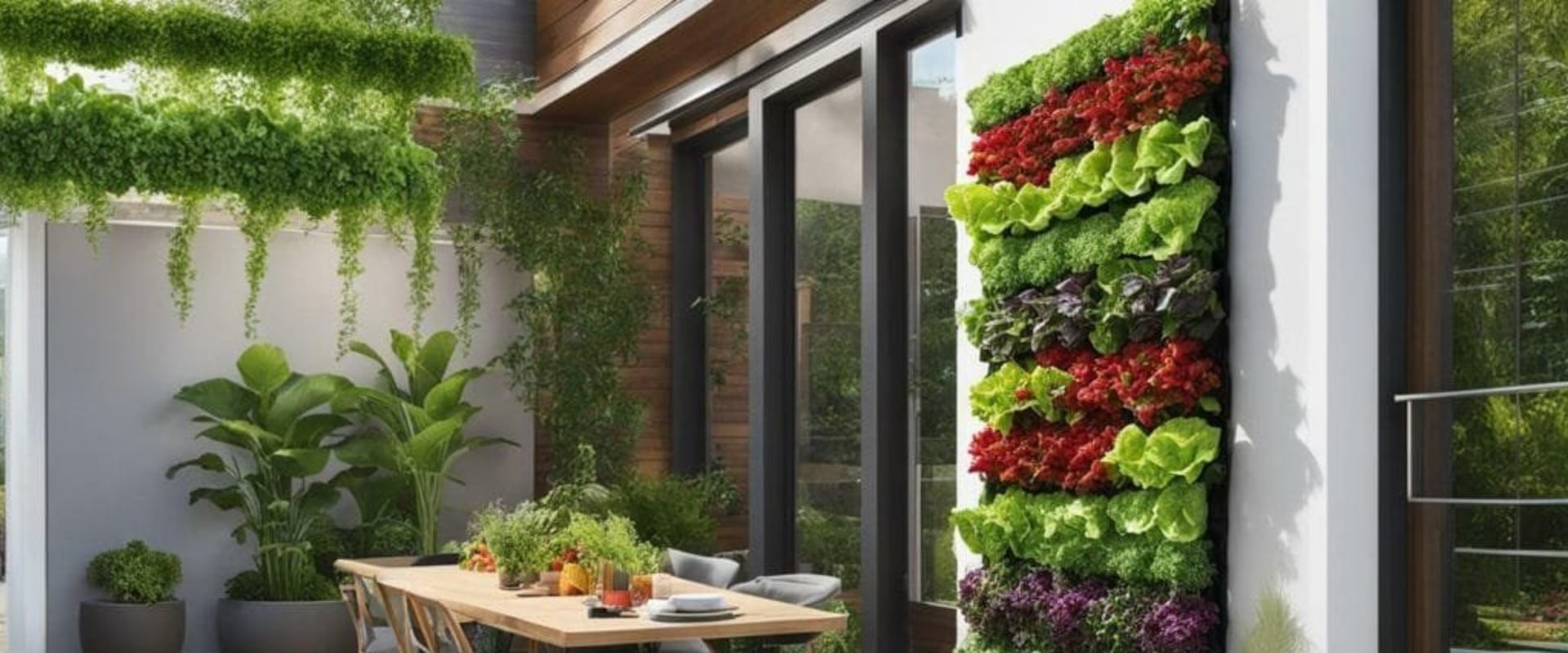
Are you looking to elevate your outdoor or indoor space with a touch of nature? Vertical gardensVertical gardens offer a stunning solution that not only beautifies your environment but also maximizes limited space. Imagine transforming a plain wall into a lush, green masterpiece that breathes life into your surroundings. These innovative garden designs are perfect for urban dwellers, small homes, and anyone looking to enhance their living areas without requiring vast tracts of land. In today’s fast-paced world, the appeal of vertical gardens extends beyond mere aesthetics. They serve as functional elements that improve air quality, provide insulation, and create a calming atmosphere.
Whether you’re an experienced gardener or just starting out, this guide will inspire you to think vertically and explore the boundless possibilities that vertical gardening offers. Join us as we delve into the various styles, plants, and maintenance tips that can help you transform your space into a vibrant oasis. With the right approach, your vertical garden can become a stunning focal point that reflects your personal style while contributing positively to the environment. So, let’s embark on this green journey together and discover how vertical gardens can redefine your small space landscaping dreams!Vertical gardens have surged in popularity as a transformative solution for maximizing space in urban environments. These innovative green spaces not only offer a unique aesthetic appeal but also provide numerous ecological benefits, making them an ideal choice for those looking to enhance their small areas.
With the growing trend of urban living, where outdoor space is often limited, vertical gardens present a brilliant solution that can breathe life into any wall or small area. The primary advantage of vertical gardens is their ability to save space. By utilizing vertical surfaces, homeowners can cultivate a garden without the need for extensive horizontal space. This is particularly beneficial in urban settings where square footage is at a premium. In addition to their space-saving qualities, these gardens can serve as stunning visual focal points.
A well-designed vertical garden can transform an ordinary wall into a vibrant tapestry of colors and textures, creating an inviting atmosphere both indoors and outdoors. Beyond aesthetics, vertical gardens contribute positively to the environment. They can significantly improve air quality by filtering pollutants and releasing oxygen, which is essential in densely populated areas. Moreover, these gardens can help regulate temperatures in buildings, reducing energy costs associated with heating and cooling. The presence of greenery can also provide sound insulation, making urban living more pleasant. If you're considering starting your own vertical garden, there are several practical steps to follow.
First, selecting the right location is crucial; ensure the spot receives adequate sunlight and is accessible for maintenance. Depending on your chosen plants, different levels of sunlight may be required. For instance, herbs and succulents thrive in sunny spots, while some flowering plants may prefer partial shade. When it comes to choosing plants for your vertical garden, consider factors such as climate and maintenance level. Popular choices include herbs like basil and mint, which not only enhance your cooking but also add fragrant appeal.
Succulents are fantastic for low-maintenance options due to their drought resistance. Flowering plants like petunias or ferns can bring bursts of color, attracting beneficial pollinators to your space. Next, gather the necessary materials for your vertical garden. Depending on your design, you might need planters, soil, irrigation systems, and supports for climbing plants. Materials range from pocket planters made from fabric or recycled materials to more structured systems like trellises or wall-mounted planters that support various plant types. There are multiple types of vertical garden systems, each with its unique advantages.
Living walls consist of panels that hold soil and plants vertically, allowing for a dramatic effect and a wide variety of plants. Pocket planters are often lightweight fabric bags that can be hung on walls, ideal for herbs and small flowers. Wall-mounted planters come in various shapes and sizes and can accommodate larger plants while adding depth to your design. Consider your environment when selecting the type of system; for example, balconies might benefit from lighter materials, while indoor spaces could utilize self-watering systems for easier maintenance. Real-life examples can provide valuable inspiration when designing your own vertical garden.
For instance, many urban dwellers have transformed bland walls into lush green displays by incorporating a mix of herbs and ornamental plants that thrive together. A notable case study features a New York City apartment that utilized a living wall system to create an indoor garden that not only beautified the space but also improved air quality significantly. However, potential challenges should not be overlooked. Maintenance is essential in ensuring the longevity of your vertical garden. Regular watering and pruning will be necessary to keep the plants healthy and thriving.
Irrigation solutions such as drip irrigation systems can help manage water supply efficiently, particularly in larger installations. It’s also important to consider plant compatibility; some species require more water than others, so grouping them by needs can simplify care. Expert opinions highlight the importance of planning when it comes to vertical gardening. Landscape designers recommend starting small and gradually expanding as you gain confidence in your gardening skills. According to horticulturists, choosing native plants can enhance sustainability while supporting local ecosystems. In conclusion, vertical gardens offer an exciting opportunity for individuals seeking to maximize their small spaces while enjoying the myriad benefits of greenery.
From enhancing aesthetics to improving air quality and saving space, they are an ideal solution for anyone looking to transform their environment—whether through DIY efforts or professional installations.
Maintenance Tips for Vertical Gardens
Maintaining a vertical garden is essential to ensure its longevity and visual appeal. Here are some practical tips to keep your vertical gardens thriving:Watering is crucial, but it can be tricky with vertical installations. Depending on the plants you choose, ensure they receive the right amount of water without over-saturating the soil. A drip irrigation system can be beneficial to provide consistent moisture.Fertilization
is another key aspect of maintenance.Use a balanced, slow-release fertilizer to promote healthy growth. Regularly check the nutrient levels in the soil and adjust your fertilization schedule according to the needs of your plants.
Pruning
is necessary to maintain the shape and health of your vertical garden. Trim back any dead or overgrown foliage to encourage new growth and prevent pests from settling in. This also helps maintain an aesthetically pleasing appearance. Finally, keep an eye out for pests and diseases.Inspect your plants regularly for any signs of infestation or illness. Early detection can save your vertical garden from extensive damage. Consider natural pest control methods to maintain the health of your garden without harming the environment.
Benefits of Vertical Gardens
Vertical gardens offer a multitude of benefits that make them an increasingly popular choice in landscaping, especially for those with limited space. One of the most significant advantages is their ability to improve air quality.Plants naturally absorb carbon dioxide and release oxygen, contributing to a healthier environment. In urban areas where air pollution is a concern, incorporating vertical gardens can help mitigate some of these effects by filtering harmful pollutants from the air. In addition to their environmental benefits, vertical gardens provide stunning aesthetic appeal. They transform blank walls into vibrant green spaces, adding color and life to otherwise dull areas. This visual interest not only enhances the look of your home or business but also creates a more inviting atmosphere.
The versatility of vertical gardens allows for a wide variety of plants, from flowering species to lush foliage, enabling you to customize your vertical garden to suit your personal style and preferences. Furthermore, vertical gardens can also help regulate temperature and humidity levels around your space. By providing shade and evaporative cooling, these gardens can contribute to energy efficiency, potentially lowering cooling costs during hot months. In summary, the environmental and aesthetic benefits of vertical gardens make them an excellent choice for anyone looking to enhance their landscaping while also being mindful of their ecological footprint.
Hiring Professionals vs. DIY
When considering vertical gardens, one of the first decisions to make is whether to embark on a DIY project or to enlist the help of a professional landscape designer.Each option has its benefits, depending on your specific needs and circumstances. If you are a DIY enthusiast with a passion for gardening and design, taking on a vertical garden project yourself can be immensely rewarding. It allows for complete creative control, enabling you to select plants that resonate with your personal style and preferences. Additionally, a DIY approach can be more cost-effective, as you can source materials and plants that fit within your budget. However, creating a successful vertical garden requires some knowledge of plant care, design principles, and the structural requirements necessary for installation. If you lack experience in these areas, you might encounter challenges that could lead to an unsuccessful outcome. On the other hand, hiring a professional landscape designer can significantly alleviate potential stressors.
Professionals bring expertise in plant selection, design aesthetics, and installation techniques. They can help you create a cohesive look that complements your existing space while ensuring that the vertical garden functions well in terms of plant health and maintenance. Moreover, if your vision involves a larger or more complex installation, such as an elaborate vertical structure or specific irrigation systems, hiring a professional can save you time and ensure that the project is executed efficiently. Ultimately, the decision between DIY and hiring professionals comes down to your comfort level, budget, and the scope of your project. Weighing these factors carefully will help you determine the best path forward in transforming your space with stunning vertical gardens.
Choosing the Right Plants
When it comes to creating stunning vertical gardens, choosing the right plants is crucial for ensuring a thriving and beautiful display. The selection process should be tailored to various light conditions and the maintenance levels you are comfortable with. First, consider the amount of sunlight your vertical garden will receive.For areas with full sun, opt for sun-loving plants such as succulents, herbs like rosemary and thyme, or vibrant flowering options like petunias and geraniums. These plants thrive under direct sunlight and will add color and texture to your garden. If your vertical garden is in a partial shade area, consider plants like ferns, ivy, or hostas. These species are adapted to lower light conditions and can provide lush greenery without requiring full sunlight. They also offer an excellent way to soften hard surfaces and create a calming atmosphere. For those with full shade locations, it’s essential to choose plants that can survive with minimal light.
Consider using shade-tolerant varieties such as ferns, mosses, or even certain types of orchids. These plants can bring life to darker corners and make your vertical garden look vibrant. Maintenance levels are another key factor in plant selection. If you prefer low-maintenance options, go for hardy plants like succulents or drought-resistant varieties that require less frequent watering. Alternatively, if you enjoy gardening and don’t mind regular upkeep, you might opt for more demanding plants that offer a richer variety of colors and textures. Ultimately, understanding your specific light conditions and how much time you can dedicate to maintenance will guide you in selecting the perfect plants for your vertical garden.
With the right choices, you can create a stunning green wall that enhances both your space and your well-being.
Vertical Garden Systems
Creating a stunning vertical garden requires an understanding of the various systems available to help you transform your space. These systems not only enhance the aesthetics of your environment but also maximize the use of limited space, making them perfect for small areas. One popular option is the modular panel system, which consists of pre-planted panels that can be easily attached to walls or fences. These panels are typically made from lightweight materials and come with built-in irrigation systems, simplifying maintenance. Installation is straightforward; simply secure the panels to your desired surface and connect the irrigation system. Another option is the trellis system, which allows climbing plants to grow vertically while providing structure and support.This system can be customized using various materials such as wood, metal, or even repurposed items. To install a trellis system, you will need to anchor it securely to a wall or the ground, ensuring it can withstand the weight of the plants as they grow. If you prefer a more natural look, consider using living walls. These systems consist of a framework that holds soil and plants vertically. Living walls can be installed in sections, allowing you to build up the garden gradually.
The installation process involves mounting the framework on a wall and filling it with appropriate soil and plants. Ensure adequate drainage to maintain plant health. For those looking for a DIY project, hanging planters offer a simple yet effective way to create a vertical garden. You can use shelves, repurposed pallets, or even hooks to suspend pots filled with herbs or flowers. This method requires minimal installation effort and can be adjusted based on your space and design preferences. Finally, if you want a more professional touch, consider hiring experts who specialize in vertical garden installations.
They can provide tailored solutions that suit your specific needs and ensure optimal growth conditions for your plants. In summary, understanding the various vertical garden systems available will help you choose the right one for your space. Whether you opt for modular panels, trellises, living walls, hanging planters, or professional installation, each option offers unique benefits that can enhance your environment.
Design Ideas for Your Vertical Garden
Vertical gardens are a fantastic way to bring life and color into any space, especially when you’re limited on ground area. Here are some innovative design ideas to inspire your vertical gardening journey:1.Wall-Mounted Planters: Utilize wall-mounted planters to create a striking green wall in your home or garden. These can be arranged in a variety of patterns, allowing you to customize the look to suit your style.Consider using geometric shapes or staggered heights for added visual interest.
2.Trellises and Arbors:
Incorporate trellises or arbors to support climbing plants in your vertical garden. These structures can be placed against a wall or freestanding in a garden bed, creating a beautiful focal point while maximizing vertical space.3.Living Fences:
Transform traditional fencing into a living fence by growing climbing vines or shrubs. This not only enhances privacy but also adds a lush, natural aesthetic that can soften hard landscaping elements.4.Vertical Pallet Gardens:
Repurpose wooden pallets into vertical garden displays. They can be filled with herbs, succulents, or flowers, and are perfect for DIY enthusiasts looking for an affordable and creative gardening solution.5.Hanging Planters:
Use hanging planters to create a cascading effect in small spaces.These can be suspended from ceilings, balconies, or walls and can include a variety of plants that thrive in varying light conditions.
6.Modular Systems:
Consider investing in modular vertical garden systems that allow for easy reconfiguration and plant replacement. These systems often come with built-in irrigation options, making maintenance a breeze.7.Indoor Vertical Gardens:
Don’t limit your vertical gardening ideas to outdoor spaces; indoor vertical gardens can enhance your home’s interior aesthetics while improving air quality. Use specially designed indoor systems that cater to low-light plants. Each of these ideas not only optimizes your space but also allows you to express your creativity while contributing to a greener environment. Whether you choose to DIY or hire a professional, integrating a vertical garden into your landscape can transform it into an oasis of beauty and tranquility. In conclusion, vertical gardens offer a unique and innovative way to enhance your outdoor space while maximizing limited square footage.As we explored, the benefits of vertical gardens range from their aesthetic appeal to their positive impact on air quality, making them an excellent choice for both DIY enthusiasts and those considering professional installation. Choosing the right plants and systems can help you create a stunning display that reflects your personal style. The design ideas we discussed illustrate the versatility of vertical gardens, allowing you to customize your green space to suit your environment and preferences. Moreover, with proper maintenance tips in hand, caring for your vertical garden can be a rewarding endeavor. Whether you decide to take on this project yourself or hire professionals, the potential to transform your area is immense. We encourage you to consider incorporating a vertical garden into your landscaping plans, as it can truly elevate the beauty and functionality of any small space.


