Practical field notes
Selecting the Ideal Tools for Your Landscaping Projects
Explore the tools and equipment necessary for successful landscaping, from DIY projects to professional installations.
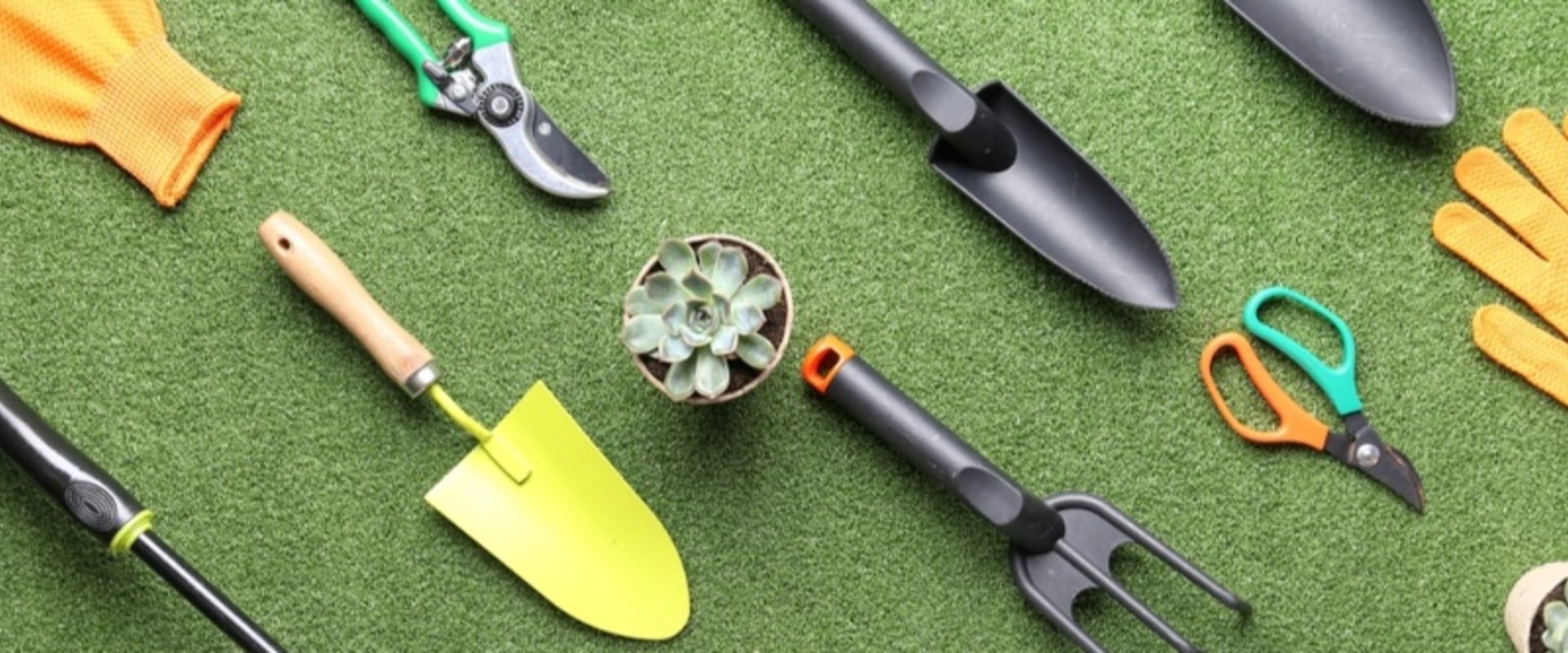
When it comes to landscaping projects, the right tools can make all the difference between a successful transformation and a frustrating experience. Whether you are a seasoned professional or a weekend warrior, choosing the right equipment for tasks is essential to ensure efficiency, safety, and quality results. With a myriad of options available on the market, selecting the ideal tools might seem overwhelming at first glance. Imagine standing in a lush garden, surrounded by vibrant flowers and neatly trimmed hedges, all made possible by the right equipment. From lawnmowers to pruning shears, each tool serves a specific purpose and can greatly influence your project’s outcome.
Not only does the right equipment enhance your productivity, but it also helps in achieving that polished look that every homeowner desires. In this article, we will delve into the essentials of selecting the ideal tools for your landscaping endeavors. We’ll explore various types of equipment tailored for different tasks, consider factors such as durability, ease of use, and maintenance needs, and ultimately guide you towards making informed choices that align with your project goals. Get ready to elevate your landscaping game as we uncover the secrets to equipping yourself for success!When it comes to choosing the right equipment for tasks in landscaping, understanding the different categories of equipment is essential. Each category serves a specific purpose and is designed to enhance the efficiency and effectiveness of your landscaping projects.
The three primary categories of landscaping equipment include hand tools, power tools, and larger machinery.
Hand tools
are the most basic yet fundamental tools in any landscaper's arsenal. They include items like shovels, rakes, pruners, and hoes. These tools are ideal for small-scale projects, garden beds, and detailed work where precision is necessary.For example, a shovel is perfect for digging holes for new plants, while a rake is essential for leveling soil or gathering leaves. Pruners are indispensable for maintaining shrubs and flowers by enabling you to cut back overgrowth effectively. Hand tools are particularly suited for DIY enthusiasts who may only need them occasionally, making them a cost-effective choice. The next category, power tools, plays a crucial role in larger landscaping tasks where efficiency is key. This category includes lawn mowers, trimmers, and blowers.
A lawn mower is essential for maintaining an even and healthy lawn; it can significantly reduce the time spent on this task compared to manual methods. String trimmers are great for reaching areas that a lawn mower cannot, such as around trees or garden beds, ensuring a neat finish. Blowers come in handy for clearing leaves and debris quickly from driveways and patios, saving both time and effort. When selecting power tools, consider your budget and the frequency of use; investing in high-quality models can lead to better performance and longevity.
Larger machinery
such as tractors and tillers are necessary for more extensive landscaping projects, especially when dealing with large properties or commercial spaces.A tractor can be used for various tasks, from hauling materials to tilling soil on larger scales. Tillers are excellent for preparing garden beds or breaking up compacted soil before planting. These machines can be a significant investment but are invaluable for professionals who regularly tackle large projects. It’s essential to evaluate whether you have the space for storage and if you will be using these machines frequently enough to justify the cost. In today’s environmentally-conscious world, many landscapers are also seeking out eco-friendly options.
Tools that minimize environmental impact include battery-operated power tools, which reduce carbon emissions compared to gas-powered models. Additionally, innovative tools like manual reel mowers provide a quiet and pollution-free way to maintain your lawn while also offering physical exercise. Sustainable landscaping practices often call for equipment that aligns with eco-friendly values, so consider investing in tools that support these goals. Safety should always be a priority when using power tools and machinery. Wearing appropriate safety gear such as gloves, goggles, and ear protection can prevent injuries during operation.
Always follow the manufacturer’s instructions and maintenance guidelines to ensure your safety and the longevity of your equipment. It’s worth noting that there may be disagreements regarding tool preferences among landscapers. Personal styles vary greatly, and what works for one person may not be suitable for another based on their project scope or individual preferences. Some may prefer traditional hand tools for their simplicity and connection to nature, while others may embrace the efficiency offered by modern power tools. Acknowledging these differences can help create a more inclusive approach to discussing landscaping practices. Ultimately, choosing the right equipment for tasks in landscaping involves understanding your specific needs based on the size and nature of your projects.
Whether you're a DIY enthusiast or a professional landscaper, having the right tools can make all the difference in achieving outstanding results.
Larger Machinery for Big Projects
When tackling extensive landscaping projects, investing in larger machinery can be a game changer. These machines are designed to handle heavy-duty tasks that would otherwise be time-consuming and labor-intensive if done manually. For instance, if you're planning to clear a large area, grade land, or move substantial amounts of soil or mulch, larger equipment such as bulldozers, excavators, or tractors can significantly reduce the workload and improve efficiency. It's essential to consider the scale of your project when deciding whether to invest in larger machinery. If you're a DIY enthusiast taking on a substantial landscaping overhaul, renting equipment might be a cost-effective solution.However, for professional landscapers or contractors who frequently engage in large-scale projects, purchasing this equipment may be a wise investment that pays off in the long run. Additionally, larger machinery often comes equipped with advanced features that enhance productivity, such as improved maneuverability and enhanced power. This can lead to better results and quicker completion times for projects that require precision and efficiency. In conclusion, when assessing whether to use larger machinery for your landscaping tasks, consider the size of the project, frequency of use, and potential return on investment. By making informed decisions about your equipment needs, you can optimize your workflow and achieve the best possible outcomes for your landscaping endeavors.
Eco-Friendly Equipment Options
In today's world, sustainability is more important than ever, and the landscaping industry is no exception. When choosing the right equipment for tasks, it's essential to consider tools that are designed with eco-friendliness in mind.These tools not only help reduce environmental impact but also promote healthier gardening practices. One popular category of eco-friendly equipment includes electric and battery-operated tools. Unlike traditional gas-powered machinery, these options produce zero emissions and significantly reduce noise pollution. For example, electric lawn mowers, trimmers, and blowers are not only quieter but also easier to maintain. Another great option is hand tools made from sustainable materials. Look for tools crafted from responsibly sourced wood or recycled metals.
These hand tools minimize energy consumption and provide a more tactile connection to the landscaping process, allowing users to engage with their environment more intimately. Additionally, consider investing in tools that promote water conservation, such as drip irrigation systems or rainwater collection barrels. These options not only aid in efficient water usage but also support the overall health of your landscape by delivering water directly to the plants' roots. Lastly, utilizing composting equipment can greatly enhance your landscaping efforts while being kind to the planet. Compost bins and worm farms help recycle organic waste into nutrient-rich soil amendments, reducing landfill contributions and improving soil health. By prioritizing eco-friendly equipment options, you can ensure that your landscaping projects are not only effective but also contribute positively to the environment, creating a sustainable landscape for future generations.
Essential Hand Tools
Hand tools are indispensable for any landscaping project, providing the precision and control necessary for tasks like planting, pruning, and maintenance. Understanding the various types of hand tools and their specific uses can greatly enhance the efficiency and outcome of your gardening efforts. One of the most essential tools in any landscaper's arsenal is the hand trowel.This small, versatile tool is perfect for digging small holes, transplanting seedlings, and mixing soil. Its pointed blade allows for easy maneuvering in tight spaces, making it ideal for container gardening or flower beds. Another crucial tool is the pruning shears, which are vital for maintaining the health and aesthetics of plants. These tools come in various types, including bypass and anvil shears, each designed for specific cutting tasks. Bypass shears are excellent for making clean cuts on live branches, while anvil shears are better suited for cutting through dead wood. The hand rake is also a handy tool that can help in leveling soil and removing debris from garden beds.
Its sturdy tines allow you to break up clumps of soil, aerate the ground, and prepare the area for planting. Moreover, garden forks play a significant role in soil preparation and aeration. These tools can break up compacted soil and mix in compost or fertilizers effectively. For those intricate jobs, a set of weeders is essential. These tools help remove weeds from their roots without disturbing the surrounding plants. Their design varies from simple hand-held styles to more specialized options that target specific types of weeds. Lastly, consider incorporating a hand saw into your toolkit.
This tool is useful for trimming larger branches or cutting down small trees that may obstruct your landscaping vision. In summary, investing in the right hand tools not only improves your efficiency but also ensures that you can handle precise tasks with ease. Whether you're a DIY enthusiast or a professional landscaper, these tools will serve as your allies in creating beautiful outdoor spaces.
Power Tools for Efficiency
When it comes to landscaping, power tools are invaluable for enhancing productivity and achieving professional results. These tools not only save time but also reduce the physical strain associated with manual labor. Below, we explore some essential power tools that can significantly improve the efficiency of your landscaping projects. One of the most important power tools for any landscaper is the string trimmer.This tool is ideal for edging around flower beds, sidewalks, and fences, allowing for a clean and manicured look. With adjustable speeds and various attachments available, a string trimmer can tackle different types of vegetation, making it versatile for both small gardens and larger properties. Another essential power tool is the leaf blower. This tool simplifies the task of clearing leaves and debris from your yard, saving you hours of raking. Many modern leaf blowers are lightweight and easy to maneuver, ensuring that you can quickly tidy up your landscape without exhausting yourself. A power edger is also critical for achieving crisp lines along driveways and walkways.
This tool creates a defined edge that enhances the overall aesthetics of your garden. With its powerful motor, a power edger can cut through tough soil and grass roots, ensuring a neat finish. For larger landscaping tasks, a chainsaw can be a game-changer. Whether you need to trim branches or remove entire trees, a chainsaw offers the power and precision required for such jobs. Safety should always be a priority, so investing in a quality chainsaw with safety features is essential. Lastly, consider adding a rotary tiller to your arsenal if you plan to cultivate new garden beds or amend existing soil.
This tool breaks up hard ground quickly and efficiently, allowing you to prepare your landscape for planting with minimal effort. In summary, utilizing the right power tools can greatly enhance your landscaping efficiency. By investing in these essential tools, you not only save time but also improve the quality of your work, whether you’re a DIY enthusiast or a seasoned professional.
Safety First: Essential Gear
When it comes to landscaping, safety should always be a top priority. Working with various tools and equipment can pose risks if proper precautions are not taken. Therefore, it is essential to equip yourself with the right safety gear before starting any landscaping project. First and foremost, protective eyewear is crucial.Whether you are using a lawnmower, trimmer, or chainsaw, debris can fly at high speeds, potentially causing eye injuries. Invest in high-quality safety goggles that fit well and provide adequate protection. Next, consider wearing ear protection. Many landscaping tools produce loud noises that can damage your hearing over time. Earplugs or earmuffs can help shield your ears from harmful sounds while you work. Another important piece of safety gear is . Many landscaping tools produce loud noises that can damage your hearing over time. Earplugs or earmuffs can help shield your ears from harmful sounds while you work. Another important piece of safety gear is gloves.
Landscaping often involves handling rough materials like soil, stones, and plants with thorns or sharp edges. Durable gloves protect your hands from cuts, blisters, and irritation while providing a better grip on tools. Additionally, wear appropriate clothing. Long sleeves and pants can help protect your skin from scratches, sunburn, and insect bites. Consider wearing steel-toed boots as well; they provide foot protection against heavy equipment and sharp objects. Lastly, don't forget about respirators or dust masks, especially when working with materials that create dust or fumes.
These can help prevent respiratory issues and ensure that you breathe clean air while working. By prioritizing safety and investing in essential gear, you can significantly reduce the risk of injury and enjoy a more productive landscaping experience. In conclusion, selecting the right tools for your landscaping projects is essential for ensuring efficiency and achieving the best results. Throughout this article, we have explored a variety of equipment, from essential hand tools to power tools and larger machinery, emphasizing how each plays a vital role in different tasks. By considering eco-friendly equipment options, you can also contribute positively to the environment while maintaining your landscape. Additionally, prioritizing safety gear is crucial to protect yourself during your work. As you assess your specific needs based on the scale of your projects—whether it be a small garden or a large landscape transformation—remember that the right equipment can significantly enhance your productivity and the final outcome of your work. Take the time to evaluate what tools will best serve your landscaping goals, and invest in quality equipment that will make each task easier and more enjoyable.


